

Aeschynanthus pulcher 'Black Pagoda'
Lipstick Plant
Photo of Aeschynanthus pulcher 'Black Pagoda' - Lipstick Plant
No photo for the moment for Aeschynanthus pulcher 'Black Pagoda' - Lipstick Plant

Please note: You must be the owner of the posted photo and it must not be copyrighted.
Things You Must Knows cannot be held responsible for photos posted in violation of this rule
Common Name:
Plant Type:
Foliage color:
GreenSun (From 0 to 5):
Water (From 0 to 5):
Maximum temperature:
Minimum temperature:
Maximum height:
Maximum width:
Lipstick Plant (Aeschynanthus pulcher 'Black Pagoda') - Description
Aeschynanthus pulcher (lipstick plant, red bugle vine) is a species of evergreen perennial plant in the family Gesneriaceae, native to Java. An epiphytic climber, it produces clusters of red flowers from summer to winter. The specific epithet pulcher means "pretty" or "beautiful", referring to the brilliant red blooms. With a minimum temperature of 15–18 °C (59–64 °F), A. pulcher is grown as a houseplant in temperate regions. It has gained the Royal Horticultural Society's Award of Garden Merit.
Lipstick Plant (Aeschynanthus pulcher 'Black Pagoda') - Blooming
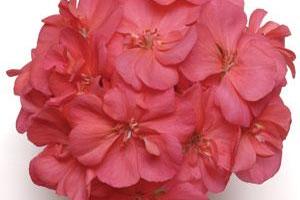
High intensity light can optimize the budding flowers that resemble lipstick. These come is orange, red, yellow, tri-color (orange, red, yellow) and even green and whitish blooms. Usually blooms in late summer and early fall.
Lipstick Plant (Aeschynanthus pulcher 'Black Pagoda') - Growth
Does best with full, but not direct sun. Performs well with heat and humidity.
Lipstick Plant (Aeschynanthus pulcher 'Black Pagoda') - Planting
The Lipstick vine can be propagated via cuttings.
Lipstick Plant (Aeschynanthus pulcher 'Black Pagoda') - Interesting facts
Native to Southern and SE Asia, this plant is actually an herb.
Lipstick Plant (Aeschynanthus pulcher 'Black Pagoda') - Soil and irrigation
The compost should consist of 2 parts peat moss to 1 part sand. It can also be grown as an epiphyte, as it is found in the crevices of tree trunks/branches. Though most species prefer slight drying-out in between waterings, A. hildebrandii, may be less tolerant of drought. So in general, it does best with regular water and well-drained soil. Water needs are less in the winter. Do not over water. Mist regularly, particularly in a dry climate.