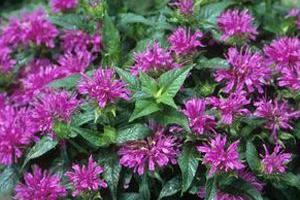


Anemone hupehensis 'var. japonica'
Chinese
Photo of Anemone hupehensis 'var. japonica' - Chinese
No photo for the moment for Anemone hupehensis 'var. japonica' - Chinese

Please note: You must be the owner of the posted photo and it must not be copyrighted.
Things You Must Knows cannot be held responsible for photos posted in violation of this rule
Common Name:
Plant Type:
Flower color:
Foliage color:
GreenSun (From 0 to 5):
Water (From 0 to 5):
Maximum temperature:
Minimum temperature:
Maximum height:
Maximum width:
Chinese (Anemone hupehensis 'var. japonica') - Description
Anemone hupehensis, Anemone hupehensisvar. japonica, and Anemone × hybrida (commonly known as the Chinese or Japanese anemone, thimbleweed, or windflower) are species of flowering herbaceous perennials in the Ranunculaceae family. Anemone × hybrida is a hybrid of Anemone hupehensis var. japonica and Anemone vitifolia.
Chinese (Anemone hupehensis 'var. japonica') - Blooming
A vernalization period (period of cold) will promote better and faster floral production. If the start time for floral production is pushed forward, the plant will produce more flowers over the growing season.
Chinese (Anemone hupehensis 'var. japonica') - Planting
The tubers should be planted with last year's leaf scar facing up. The tubers should be placed 2 inches deep and 10 inches apart in light, loamy soil with a pH of between 6.8 and 7. In warmer climates, tubers can be soaked in water for a few hours to promote proper propagation.
Chinese (Anemone hupehensis 'var. japonica') - Pest
Juvenile plants are susceptible to birds.
Chinese (Anemone hupehensis 'var. japonica') - Interesting facts
Anemones are a large genus of plants (about 120 species) that range in size from small alpine rock garden miniatures to tall Japanese anemones grown as a border plant. Some of the larger species (such as A. coronaria and A. x hybrida) can be grown for cut flowers.
Chinese (Anemone hupehensis 'var. japonica') - Soil and irrigation
Keep the soil moist while the plant is actively growing. Make sure the soil is well drained to prevent root rot. Light, loamy soil is ideal.