

Armoracia rusticana
Horseradish
Photo of Armoracia rusticana - Horseradish
No photo for the moment for Armoracia rusticana - Horseradish

Please note: You must be the owner of the posted photo and it must not be copyrighted.
Things You Must Knows cannot be held responsible for photos posted in violation of this rule
Common Name:
Flower color:
Foliage color:
GreenSun (From 0 to 5):
Water (From 0 to 5):
Maximum temperature:
Minimum temperature:
Maximum height:
Maximum width:
Horseradish (Armoracia rusticana) - Description
Horseradish (Armoracia rusticana, syn. Cochlearia armoracia) is a perennial plant of the Brassicaceae family (which also includes mustard, wasabi, broccoli, and cabbage). The plant is probably native to southeastern Europe and western Asia. It is now popular around the world. It grows up to 1. 5 meters (5 feet) tall, and is cultivated primarily for its large, white, tapered root.
Horseradish (Armoracia rusticana) - Blooming
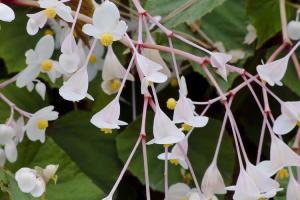
Blooms cruciform, 4-petaled flowers in white in large racemes or panicles from late spring to late summer. Borne on leafy stems.
Horseradish (Armoracia rusticana) - Growth
Perennial grown as an annual for its pungent, delicious root. Best growth is seen in cool climates, however horseradish is not fastidious and will grow almost anywhere. Make sure to provide full sun. Horseradish is a vigorous grower that can spread fast. It is best to restrain spread by planting on a raised bed or isolated bed. A. rusticana, common horseradish, is ground up for use in sauces and relishes.
Horseradish (Armoracia rusticana) - Planting
Side root cuttings about 8-14 inches long and quarter inch thick are set aside when the root is harvested and kept in a moist, cool place until spring. Rows are 30 inches apart; plants are 2 feet apart within rows. The side root cuttings are placed lengthwise in 3-5 inch deep furrows and covered with soil except the top portion. Set plants in spring after the last frost.
Horseradish (Armoracia rusticana) - Pest
Prone to clubroot, black rot, turnip mosaic, powdery mildew, leaf spots, and downy mildew. Root rot occurs in some areas.
Horseradish (Armoracia rusticana) - Interesting facts
There are only 3 known species of Armoracia, found in Eurasia and the Eastern United States. Occurs in low altitude habitats like wastelands, streamsides, and roadsides.
Horseradish (Armoracia rusticana) - Soil and irrigation
Water liberally during the growing season to hamper the roots from becoming too woody. Does best in light, rich, well-drained soil that is kept consistently moist.