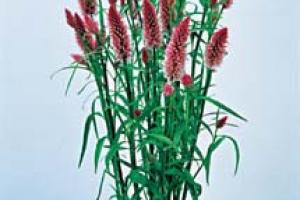


Aster novae-angliae 'Alma Potschke'
New England Aster
Photo of Aster novae-angliae 'Alma Potschke' - New England Aster
No photo for the moment for Aster novae-angliae 'Alma Potschke' - New England Aster

Please note: You must be the owner of the posted photo and it must not be copyrighted.
Things You Must Knows cannot be held responsible for photos posted in violation of this rule
Common Name:
Foliage color:
GreenSun (From 0 to 5):
Water (From 0 to 5):
Maximum temperature:
Minimum temperature:
Maximum height:
Maximum width:
New England Aster (Aster novae-angliae 'Alma Potschke') - Description
Upright and vigorous with loads of gorgeous flowers. Fast growing too. The daisy-like flowers are stunning pink with sun-yellow centers, up to 2" across. Full sun.
New England Aster (Aster novae-angliae 'Alma Potschke') - Blooming
Blooms can be white, blue, red, pink, lavender. Most flowers will have yellow centers and resemble a typical Daisy.
New England Aster (Aster novae-angliae 'Alma Potschke') - Growth
There are about 250 species of Asters, but generally they need full sun, or partial shade. Plants range in size from 6 inches to 6 ft. in height.
New England Aster (Aster novae-angliae 'Alma Potschke') - Planting
Sow seeds in spring or autumn, in a cold frame using containers. Divide in spring (preferably) or in autumn making sure to replant only vigorous, young shoots. Also, root basal cuttings of certain species in spring.
New England Aster (Aster novae-angliae 'Alma Potschke') - Pest
Susceptible to wilt, gray mold, rusts, powdery mildew, white smut, rosy blister gall, and aster yellows. Fungal leaf spots and stem cankers are common. Aphids, tarsonemid mites, slugs, snails, and nematodes can cause problems.
New England Aster (Aster novae-angliae 'Alma Potschke') - Soil and irrigation
Needs regular water. Soil fertility depends upon species.