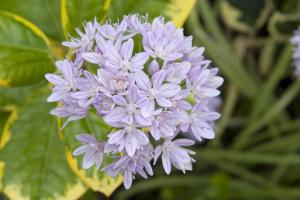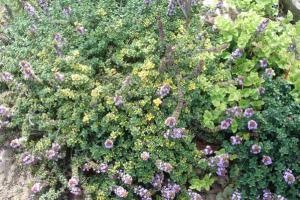


Astilbe hybrids
False Goat's Beard
Photo of Astilbe hybrids - False Goat's Beard


Please note: You must be the owner of the posted photo and it must not be copyrighted.
Things You Must Knows cannot be held responsible for photos posted in violation of this rule
Common Name:
Sun (From 0 to 5):
Water (From 0 to 5):
Maximum temperature:
Minimum temperature:
Maximum height:
Maximum width:
False Goat's Beard (Astilbe hybrids) - Description
Astilbes are native to Asia and North America. They are cultivated by gardeners as hardy herbaceous perennials, for their large handsome, often fern-like foliage, and dense, feathery plumes of flowers. They require a peaty soil for their successful cultivation. Numerous hybrids have been raised.
False Goat's Beard (Astilbe hybrids) - Blooming
Bloom time depends largely on variety of plant.
False Goat's Beard (Astilbe hybrids) - Growth
Hot dry summers will cause damage to the plant.
False Goat's Beard (Astilbe hybrids) - Planting
Astilbes will be available more often than not as small container plants. At this stage they can be planted at any time from spring to late summer. If you get your hands on some bare root crowns or stems, plant them with the roots facing down in early spring.
False Goat's Beard (Astilbe hybrids) - Pest
Prone to powdery mildew and bacterial leaf spots.
False Goat's Beard (Astilbe hybrids) - Interesting facts
Astilbes are known for their airy plume like inflorescences and for their relatively long bloom periods. Bloom colors come in white, pink and red.
False Goat's Beard (Astilbe hybrids) - Soil and irrigation
Many Astilbes grow best in always wet, boggy soils.
Astilbe hybrids - False Goat's Beard - Photos