

Astrantia major 'Rose Symphony'
Masterwort
Photo of Astrantia major 'Rose Symphony' - Masterwort
No photo for the moment for Astrantia major 'Rose Symphony' - Masterwort

Please note: You must be the owner of the posted photo and it must not be copyrighted.
Things You Must Knows cannot be held responsible for photos posted in violation of this rule
Common Name:
Plant Type:
Foliage color:
GreenSun (From 0 to 5):
Water (From 0 to 5):
Maximum temperature:
Minimum temperature:
Maximum height:
Maximum width:
Masterwort (Astrantia major 'Rose Symphony') - Description
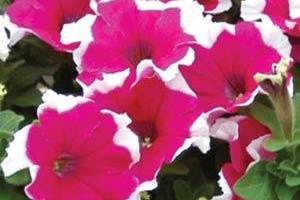
Purplish rose flowers on prolific, long stems - excellent for cuts too. Blooms midsummer - June through July. Ideal in woodland gardens.
Masterwort (Astrantia major 'Rose Symphony') - Blooming
Blooms umbels of 5-petaled flowers in colors such as deep purple-red and rose-pink. The flowers are surrounded by papery bracts.
Masterwort (Astrantia major 'Rose Symphony') - Growth
Clump-forming perennials. Masterworts do well in full sun or partial shade, but some varieties, such as A. major 'Sunningdale Veriegated', may need full sun to produce the best leaf colors. Astrantia flourish in woodland gardens, on streambanks, or in a moist border.The flowerheads are appropriate for cutting and make nice additions to dried flower ensembles.
Masterwort (Astrantia major 'Rose Symphony') - Planting
Seeds can be sown in containers when they are ripe. Divide the plants in spring.
Masterwort (Astrantia major 'Rose Symphony') - Pest
Prone to aphids, slugs, snails, gray mold and mildew.
Masterwort (Astrantia major 'Rose Symphony') - Interesting facts
Astrantia is native to the alpine woods and meadows from Europe to Western Asia. The name, Astrantia, refers to the flowerheads, but there is some confusion whether it comes from a corruption of the latin name for ostriches, for their plume-like feathers, or from the latin word for stars, aster.
Masterwort (Astrantia major 'Rose Symphony') - Soil and irrigation
Masterworts require regular irrigation and do best in soils that are rich in organic matter. Many variants of A. major are tolerant of dry conditions.