

Averrhoa carambola
Star Fruit
Photo of Averrhoa carambola - Star Fruit
No photo for the moment for Averrhoa carambola - Star Fruit

Please note: You must be the owner of the posted photo and it must not be copyrighted.
Things You Must Knows cannot be held responsible for photos posted in violation of this rule
Common Name:
Flower color:
Foliage color:
GreenSun (From 0 to 5):
Water (From 0 to 5):
Maximum temperature:
Minimum temperature:
Maximum height:
Maximum width:
Star Fruit (Averrhoa carambola) - Description
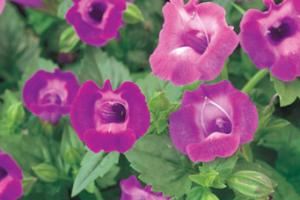
Averrhoa carambola is a species of woody plant in the family Oxalidaceae; it has a number of common names including Carambola and Starfruit. This evergreen tree is native to Southeast Asia and the Indian Subcontinent. A. carambola is a small tree or shrub that grows 5–12 meters tall, with rose to red-purple flowers. The flowers are small and bell-shaped, with five petals that have whitish edges. The flowers are often produced year round under tropical conditions. The tree is cultivated in tropical and semitropical regions for its edible fruits and for medicinal uses.
Star Fruit (Averrhoa carambola) - Blooming
Blooms pink to lavender, fragrant flowers in clusters throughout the year. Followed by ovate or ellipsoid yellow fruits with thin, waxy skin and star shaped cross sections. The fruits have an oxalic acid odor.
Star Fruit (Averrhoa carambola) - Growth
Starfruits are subtropical plants that can tolerate small periods of low temperatures (27ºF) when mature. However, the younger trees are very frost sensitive and can be killed at 32ºF. Cover the trees with carpeting or sheets in preparation for a cold spell. Averrhoa can be damaged by flooding or persistent hot, dry winds. The trees grow best with full sun exposure. Starfruits make wonderful ornamentals and the smaller trees make nice container plants.
Star Fruit (Averrhoa carambola) - Planting
Carambolas are often propagated from the seed. However, seed viability only lasts about a few days. If this method is preferred, use only plump, fully developed seeds for planting. The most successful mode of propagation for starfruits is grafting. For grafting, year-old seedlings make good rootstocks. Take graft-wood from mature twigs with leaves and young buds on them.
Star Fruit (Averrhoa carambola) - Pest
There are no serious pests, however starfruits are prone to fruit flies, fruit moths, and fruit spotting bugs in areas where these insects are present.
Star Fruit (Averrhoa carambola) - Interesting facts
Averrhoa is endemic to Sri Lanka and the Moluccas, although it has been grown in southeast Asia and Malayasia for centuries. Starfruits are rich in antioxidants and vitamin C , and low in sugar and sodium. People with kidney failure should not eat carambolas as they contain oxalic acid which can be very detrimental. In India, starfruits can grow at up to 4,000 feet elevations.
Star Fruit (Averrhoa carambola) - Soil and irrigation
Carambolas can grow in most soils, but will thrive in those that are rich in loam. They also prefer soil that is slightly acidic (pH 5.5-6.5), as they will become chlorotic in alkalinated soils. Starfruits cannot tolerate waterlogging, but they need moist soil with regular waterings to flourish. Water freely in the summer season and during dry periods in the winter.