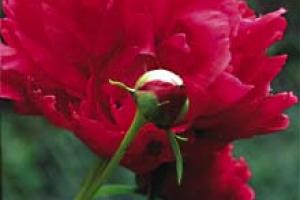


Bellis perennis 'Bellissima Rose'
Common Daisy
Photo of Bellis perennis 'Bellissima Rose' - Common Daisy
No photo for the moment for Bellis perennis 'Bellissima Rose' - Common Daisy

Please note: You must be the owner of the posted photo and it must not be copyrighted.
Things You Must Knows cannot be held responsible for photos posted in violation of this rule
Common Name:
Foliage color:
GreenSun (From 0 to 5):
Water (From 0 to 5):
Maximum temperature:
Minimum temperature:
Maximum height:
Maximum width:
Common Daisy (Bellis perennis 'Bellissima Rose') - Description
Bellis perennis 'Bellissimatrade; Rose' features dense double, magenta pink, flower heads made up of tiny ray florets. These small ground hugging plants will load up with color from late winter all the way through late summer! A great ground cover for edging pathways or for the front of a planting border. Unique and fun, this little daisy will come back year after year to color your landscape.
Common Daisy (Bellis perennis 'Bellissima Rose') - Blooming
Blooms more heavily during spring and early summer, but will have sporadic flowering until frost. The only factor that dictates when English Daisies flower is time. This means that the timing of their blooms is dependent on when the seeds germinate.
Common Daisy (Bellis perennis 'Bellissima Rose') - Growth
English Daisies do well in full sun. If in warmer areas, keep plant in light shade, as these plants prefer cooler temperatures.
Common Daisy (Bellis perennis 'Bellissima Rose') - Planting
These plants are generally propagated by seed, and their seeds tend to have high rates of successful germination. Plant the seeds in the fall for flowers to appear in the spring.
Common Daisy (Bellis perennis 'Bellissima Rose') - Interesting facts
When someone refers to a "daisy", chances are this is the plant they have in mind. The English Daisy is the archetypal daisy. It's native to much of Europe, and can become rather invasive in North America. The name "daisy" is actually a corruption of the term "day's eye". The reasoning behind this is because the floral head of the English Daisy appears to blink as it closes at night and opens during the day. These plants are also known to have astringent properties.
Common Daisy (Bellis perennis 'Bellissima Rose') - Soil and irrigation
Plant requires good soil and moderate to lots of water.