

Betula utilis 'Jacquemontii'
Jacquemontii Birch
Photo of Betula utilis 'Jacquemontii' - Jacquemontii Birch
No photo for the moment for Betula utilis 'Jacquemontii' - Jacquemontii Birch

Please note: You must be the owner of the posted photo and it must not be copyrighted.
Things You Must Knows cannot be held responsible for photos posted in violation of this rule
Common Name:
Foliage color:
GreenSun (From 0 to 5):
Water (From 0 to 5):
Maximum temperature:
Minimum temperature:
Maximum height:
Maximum width:
Jacquemontii Birch (Betula utilis 'Jacquemontii') - Description
Betula utilis (Himalayan birch, bhojpatra, Sanskrit: भूर्ज bhūrja) is a birch tree native to the Himalayas, growing at elevations up to 4,500 m (14,800 ft). The specific epithet, utilis, refers to the many uses of the different parts of the tree. The white, paper-like bark of the tree was used in ancient times for writing Sanskrit scriptures and texts.
Jacquemontii Birch (Betula utilis 'Jacquemontii') - Blooming
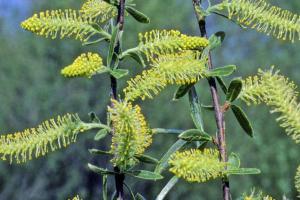
Flowers are insignificant. Male and female blooms are borne on separate catkins on the same plant in spring. The male catkins are uaually longer than the females.
Jacquemontii Birch (Betula utilis 'Jacquemontii') - Growth
Deciduous trees and shrubs. Birches do best with full sun exposure. Some species prefer sheltered conditions. There are many species of Birch. The tallest of these species can reach 100 ft. tall (B. maximowicziana). Attractive male catkins and fall foliage. Ornamental bark. Grow Betula in a small garden in small groups or solitary.
Jacquemontii Birch (Betula utilis 'Jacquemontii') - Planting
In autumn, sow seeds in a seedbed. In summer, root softwood cuttings. Graft in winter.
Jacquemontii Birch (Betula utilis 'Jacquemontii') - Pest
Susceptible to aphids, leaf miner and Birch borer. Other problems include leaf spots, viruses, anthracnose, rust, canker, and twig dieback.
Jacquemontii Birch (Betula utilis 'Jacquemontii') - Interesting facts
Betula include around 60 species, cultivated for their autumn foliage and showy male catkins. They are found throughout the Northern Hemisphere in regions such as mountains, woodlands, moors, and heathlands.
Jacquemontii Birch (Betula utilis 'Jacquemontii') - Soil and irrigation
Needs regular water. Does best in moderately fertile, moist, but well-drained soil.