

Celtis australis
European Hackberry
Photo of Celtis australis - European Hackberry
No photo for the moment for Celtis australis - European Hackberry

Please note: You must be the owner of the posted photo and it must not be copyrighted.
Things You Must Knows cannot be held responsible for photos posted in violation of this rule
Common Name:
Foliage color:
GreenSun (From 0 to 5):
Water (From 0 to 5):
Maximum temperature:
Minimum temperature:
Maximum height:
Maximum width:
European Hackberry (Celtis australis) - Description
The European Hackberry bears small edible fruits that are very popular with birds and other wildlife. The tree is also tolerable to poor nutrient soils and air pollution, which makes this species very sutiable for planting near streets.
European Hackberry (Celtis australis) - Blooming
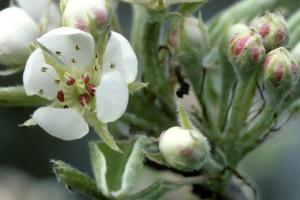
Like with other members of the genus, Ulmus, the flowers are inconspicuous. They produce berrylike fruits in fall, however, which attract birds. The flowers are unisexual.
European Hackberry (Celtis australis) - Growth
Deciduous and evergreen trees and shrubs. Hackberries are rather tough. They can tolerate high winds and heat. Some species can reach up to 80 ft. tall with time, but in about 15 years they can reach 40 ft. Does best in sun or partial shade. In cooler areas, does best with full sun. Grows the best in continental climates with hot summers. In cooler, maritime regions, Celtis often forms small, multi-stemmed trees. Grow Hackberrys in a woodland garden or as lawn specimens.
European Hackberry (Celtis australis) - Planting
Can be transplanted from containers but will be more successful if they have extensive root systems. Sow seeds in autumn in a seedbed or open frame.
European Hackberry (Celtis australis) - Pest
Eriophyid mites and nematodes. Other problems include powdery mildew, downy mildew, fungal root rot, leaf spots, mushroom root rot, hackberry psyllid leaf gall, and hackberry witches' broom.
European Hackberry (Celtis australis) - Interesting facts
Species in the genus Celtis are valued for being drought tolerant. They are mostly used as ornamental trees, but their fleshy red-orange or purple berries are consumed by many organisms. The berries are extremely sugary and sweet.
European Hackberry (Celtis australis) - Soil and irrigation
Tolerates many soils including dry, alkaline soils. In warm areas, does best in deep soils, fertile and well-drained. Can thrive in dry soils if grown in cooler areas.