

Cladrastis lutea
American Yellow Wood
Photo of Cladrastis lutea - American Yellow Wood
No photo for the moment for Cladrastis lutea - American Yellow Wood

Please note: You must be the owner of the posted photo and it must not be copyrighted.
Things You Must Knows cannot be held responsible for photos posted in violation of this rule
Common Name:
Flower color:
Foliage color:
GreenSun (From 0 to 5):
Water (From 0 to 5):
Maximum temperature:
Minimum temperature:
Maximum height:
Maximum width:
American Yellow Wood (Cladrastis lutea) - Description
This large tree bears panicles of wisteria-like flowers followed by brown seed pods. It is native to Kentucky, Tennessee, and North Carolina. It bears yellowish green foliage when new, which later turn bright green in the summer and brilliant yellow in the fall.
American Yellow Wood (Cladrastis lutea) - Blooming
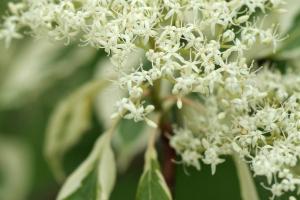
May not bloom for up to ten years after planting, and may experience intermittent without blooming. Once bloomed, flowers are large (up to 14" long) and either pink or white.
American Yellow Wood (Cladrastis lutea) - Growth
Deciduous trees. Usually grows between 30' and 50' tall. Grows best in full sun. Requires shelter from strong winds as the wood is very brittle. Grow Cladrastis as a specimen tree.
American Yellow Wood (Cladrastis lutea) - Planting
Sow seeds in fall, outdoors in either containers in an open frame or in a seedbed. Propagate from root cuttings in winter.
American Yellow Wood (Cladrastis lutea) - Pest
Uncommon.
American Yellow Wood (Cladrastis lutea) - Interesting facts
Cladrastis is native to Kentucky, North Carolina and Tennessee, and resembles English Walnut. The common name "yellow wood" refers to the internal heartwood- the bark is gray.
American Yellow Wood (Cladrastis lutea) - Soil and irrigation
Though Cladrastis requires regular water, it can withstand some drought. May tolerate alkaline soils. Grows best in fertile soil with good drainage.