

Cotoneaster salicifolius 'Repens'
Willowleaf Cotoneaster
Photo of Cotoneaster salicifolius 'Repens' - Willowleaf Cotoneaster
No photo for the moment for Cotoneaster salicifolius 'Repens' - Willowleaf Cotoneaster

Please note: You must be the owner of the posted photo and it must not be copyrighted.
Things You Must Knows cannot be held responsible for photos posted in violation of this rule
Common Name:
Plant Type:
Flower color:
Foliage color:
GreenSun (From 0 to 5):
Water (From 0 to 5):
Maximum temperature:
Minimum temperature:
Maximum height:
Maximum width:
Willowleaf Cotoneaster (Cotoneaster salicifolius 'Repens') - Description
Cotoneaster salicifolius, the Willow-leaved Cotoneaster, is a drought-tolerant, evergreen to semi-evergreen, low-lying, small to medium sized shrub with an arched branching habit. Specimens growing in the wild, however, are generally larger, averaging five meters in height. Although native to the mountains, mixed forests, and open places in western China, it is commonly cultivated in temperate climates worldwide. Cultivars have been bred in a variety of forms, as ornamental groundcovers or shrubs.
Willowleaf Cotoneaster (Cotoneaster salicifolius 'Repens') - Blooming
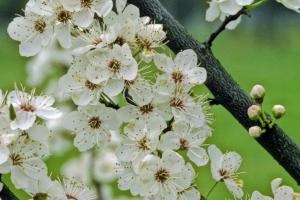
Cotoneasters have white or pink flowers that bloom in the spring followed by red fruits in fall. Dwarf evergreens will fruit more vigorously if grown in full sun.
Willowleaf Cotoneaster (Cotoneaster salicifolius 'Repens') - Growth
Plants in this genus will range from 2-25 ft. tall. Evergreens do best in sun or partial shade, while deciduous species enjoy full sun. Grow Cotoneaster in a shrub border, as a screen or hedge, or trained against a wall. Dwarf species work best in rock gardens, and prostrate plants (C. cashmiriensis) make good groundcovers.
Willowleaf Cotoneaster (Cotoneaster salicifolius 'Repens') - Planting
Sow seeds as soon as ripe, in autumn, in a cold frame with containers. Cold frames are protective structures, located outside for propagating and growing plants. Can also propagate by rooting semi-ripe cuttings in late summer for the evergreen and semi-evergreen species. Semi-ripe cuttings are cuttings taken from semi-mature wood. In early summer, deciduous species can be propagated by rooting greenwood cuttings. Greenwood cuttings are taken from shoot-tips of plants, and are harder than softwood cuttings.
Willowleaf Cotoneaster (Cotoneaster salicifolius 'Repens') - Pest
Slugs, snails, spider mites, and scale insects. Other problems include stem cankers, fire blight, and powdery mildew.
Willowleaf Cotoneaster (Cotoneaster salicifolius 'Repens') - Interesting facts
Seeds of Cotoneaster can cause stomach discomfort upon consumption.
Willowleaf Cotoneaster (Cotoneaster salicifolius 'Repens') - Soil and irrigation
Cotoneasters are not fussy about soil type, but do prefer soil that is dry or poor rather than soil that is rich and moist.