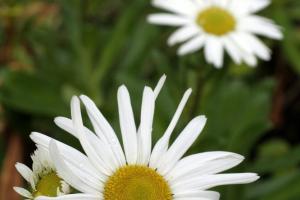


Dahlia pinnata 'Dahlietta Grace'
Dahlia
Photo of Dahlia pinnata 'Dahlietta Grace' - Dahlia
No photo for the moment for Dahlia pinnata 'Dahlietta Grace' - Dahlia

Please note: You must be the owner of the posted photo and it must not be copyrighted.
Things You Must Knows cannot be held responsible for photos posted in violation of this rule
Common Name:
Foliage color:
GreenSun (From 0 to 5):
Water (From 0 to 5):
Maximum temperature:
Minimum temperature:
Maximum height:
Maximum width:
Dahlia (Dahlia pinnata 'Dahlietta Grace') - Description
A wonderful addition to the Dahlietta series of Dahlias. Pure snow white, informal, double blooms sit above it's tiny host plant that won't top 10" in height. These Dahlias were developed with the intention of using for containers or for putting into small spaces in your garden. Keep plants dead headed to keep the blooms fresh and coming for months!
Dahlia (Dahlia pinnata 'Dahlietta Grace') - Blooming
Many Dahlias have long floral stems making them good candidates as cut flowers. The American Dahlia Society has classified Dahlias in 20 different forms that represent different flower types. Some of the more popular forms are Anemone, Collarette, Orchid, Peony, Single, Ball, Cactus, Decorative and Waterlily. Dahlia flowers come in every color except for true blue. Deadhead to prolong flowering. Pinch out from the growing point to promote bushiness.
Dahlia (Dahlia pinnata 'Dahlietta Grace') - Growth
Dahlias have been hybridized for many years and come in many varieties; therefore, you will see Dahlias ranging in many different sizes. The taller bush forms are great for summer hedges, screens and fillers. Dahlias do best in climates where the winter temperatures do not go below 20°F/-7°C. In climates that have winters that border this minimum temperature, Dahlias can be protected by mulching with 4 inches of straw or similar material to insulate the roots. Most gardeners will dig out their Dahlias annually to protect from harsh winters, however.
Dahlia (Dahlia pinnata 'Dahlietta Grace') - Planting
Can be started by seed. For the taller varieties, start them by seed indoors and then transplant the seedlings into the ground after threat of frost has past in late winter to early spring. For the smaller varieties, the seeds can be sown directly into the outdoor garden but only do so after the ground is warm. Additionally, you can always purchase Dahlias that have been started from a nursery.
Dahlia (Dahlia pinnata 'Dahlietta Grace') - Pest
Caterpillars, stem borers, aphids, spider mites, cucumber beetles, slugs, capsid bugs, planthoppers, and flower thrips cause problems. Other issues include powdery mildew, blossom blights, dahlia mosaic virus, smut, fungal leaf spots, crown gall, soft rot, and tomato spotted wilt virus.
Dahlia (Dahlia pinnata 'Dahlietta Grace') - Interesting facts
When Europeans first came across Dahlias in Central America, they were not impressed with the showy flowers that these plants are now known for, as the original wild Dahlias did not have impressive flowers. These explorers figured that its tuberous roots could be a good source of food and took them back to Europe. Unfortunately, the roots taste similar to aspirin, and Dahlia failed as a food source. Fortunately, breeders hybridized the plants and bred for the large, showy flowers that Dahlias are famous for today.
Dahlia (Dahlia pinnata 'Dahlietta Grace') - Soil and irrigation
Dahlias need watering as soon as the shoots are visible above ground and will need regular irrigations throughout their active growth cycle. Grows best in humus-rich, well-draining soil.