

Dendranthema yezoense
Chrysanthemum
Photo of Dendranthema yezoense - Chrysanthemum
No photo for the moment for Dendranthema yezoense - Chrysanthemum

Please note: You must be the owner of the posted photo and it must not be copyrighted.
Things You Must Knows cannot be held responsible for photos posted in violation of this rule
Common Name:
Plant Type:
Foliage color:
GreenSun (From 0 to 5):
Water (From 0 to 5):
Maximum temperature:
Minimum temperature:
Maximum height:
Maximum width:
Chrysanthemum (Dendranthema yezoense) - Description
Chrysanthemums are perennials with deeply lobed leaves and large, often complex flower heads.
Chrysanthemum (Dendranthema yezoense) - Blooming
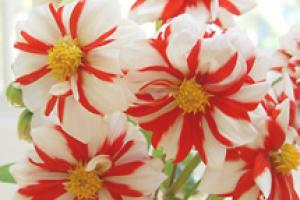
Two inch wide daisy like flowers with white, yellow, or pink ray florets and are borne singly or in loose clusters in late summer or fall.
Chrysanthemum (Dendranthema yezoense) - Growth
Foot tall species that forms 1.5 foot wide mounds of aromatic, somewhat fleshy, lobed leaves. Does best in full sun. Grow Dendranthema in a rock garden, herbaceous or mixed border, or scree bed.
Chrysanthemum (Dendranthema yezoense) - Planting
Divide plants in spring or after they flower in the fall, or by sowing seeds. Division entails propagating a plant by splitting it into 2 or more parts. Each part has its own root system and more than one shoot or dormant bud.
Chrysanthemum (Dendranthema yezoense) - Pest
Uncommon.
Chrysanthemum (Dendranthema yezoense) - Interesting facts
Dendranthema are endemic to Europe and Central and Eastern Asia. They are found in a range of habitats, for example, mountains and seashores. Foliage may aggravate skin allergies. Consumption of any part of Dendranthema can cause upset stomach.
Chrysanthemum (Dendranthema yezoense) - Soil and irrigation
Rich, moist, well drained soil. Sandy soil is ideal, but plants are short-lived in heavy clay.