

Eriobotrya japonica
Loquat
Photo of Eriobotrya japonica - Loquat
No photo for the moment for Eriobotrya japonica - Loquat

Please note: You must be the owner of the posted photo and it must not be copyrighted.
Things You Must Knows cannot be held responsible for photos posted in violation of this rule
Common Name:
Plant Type:
Foliage color:
GreenSun (From 0 to 5):
Water (From 0 to 5):
Maximum temperature:
Minimum temperature:
Maximum height:
Maximum width:
Loquat (Eriobotrya japonica) - Description
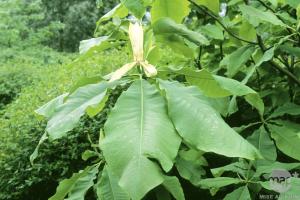
E. japonica bears leathery, crisp, netted leaves that are deep glossy green above and woolly and rust colored beneath. It beras dull white fragrant flowers. It also bears orange to yellow fruit with large seeds in the center, which ripens in the winter or spring.
Loquat (Eriobotrya japonica) - Blooming
The fragrant fall blossoms in fall attract bees which aid in cross pollination for better fruiting. Temperatures approaching 28ºF typically damage flowers and developing fruit. High summer temperatures are also known to inhibit flowering.
Loquat (Eriobotrya japonica) - Growth
Evergreen shrubs and trees. Eriobotrya does best in full sun with some shelter in subtropical areas. Grow as specimen trees in warm sites. In less hardy areas, grow plants in a cool greenhouse with a minimum temperature of 35°F (2°C). During the day, set temperatures between 41-50°F (5-10°C), and at night, keep the temperature at 36°F (2°C). E. japonica is grown for its fruit.
Loquat (Eriobotrya japonica) - Planting
Eriobotrya are good in container for several years. Sow seeds in spring, but be aware that seedlings may go on to produce fruit with relatively little flesh. You can also propagate with semi-ripe cuttings which root in summer. Semi-ripe cuttings are cuttings taken from semi-mature wood.
Loquat (Eriobotrya japonica) - Pest
Prone to fungal spots, cankers, blights, root rots, and fireblight.
Loquat (Eriobotrya japonica) - Interesting facts
E. japonica, is commercially grown for its apple or plum-like fruit called the Loquat.
Loquat (Eriobotrya japonica) - Soil and irrigation
Grow in well-drained soil. Water regularly, especially during the winter for fuller fruits. However, as Eriobotry is drought-tolerant, it can survive with no irrigation once established.