

Fittonia verschaffeltii
Red Nerve Plant
Photo of Fittonia verschaffeltii - Red Nerve Plant
No photo for the moment for Fittonia verschaffeltii - Red Nerve Plant

Please note: You must be the owner of the posted photo and it must not be copyrighted.
Things You Must Knows cannot be held responsible for photos posted in violation of this rule
Common Name:
Plant Type:
Sun (From 0 to 5):
Water (From 0 to 5):
Maximum temperature:
Minimum temperature:
Maximum height:
Red Nerve Plant (Fittonia verschaffeltii) - Description
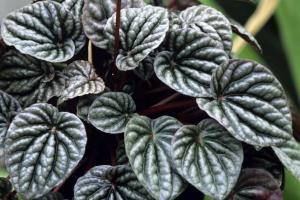
Fittonia verschaffeltii (commonly known as Nerve Plant) is a species of tropical plant native to Peru. Its stem is covered in hair. The veins of the leaves are usually white, but colors vary with cultivar. It is suitable as a house plant.
Red Nerve Plant (Fittonia verschaffeltii) - Blooming
On rare occasions, inconspicuous white flowers will bloom.
Red Nerve Plant (Fittonia verschaffeltii) - Growth
Fittonia grows best in partial shade with high humidity. Fittonias will make a great groundcover in a shady area, if winter temperatures do not dip below 60°F (15°C). When growing indoors, avoid direct sunlight, drafty areas with dry air, and unheated areas.
Red Nerve Plant (Fittonia verschaffeltii) - Planting
Propagate by taking small rooted pieces from existing plants.Place in a mixture of peat and perlite, keeping the soil moist, the air humid, and in indirect sunlight. After they have taken good root, space 9" apart or in 6-9" pots or a small terranium with normal potting mixture.
Red Nerve Plant (Fittonia verschaffeltii) - Pest
Problems include mottle mosaic virus, bacterial and fungal leaf spots, and root rot.
Red Nerve Plant (Fittonia verschaffeltii) - Interesting facts
Nerve plants are native to tropical rainforests of Peru.
Red Nerve Plant (Fittonia verschaffeltii) - Soil and irrigation
Does best in somewhat leafy, humus-rich soil that is well-draining, an African violet mix is good for potted Fittonia. Requires moderate water. Stem rotting will occur if soil is too wet. If not watered enough, the leaves will begin to 'faint', but revive quickly if watered.