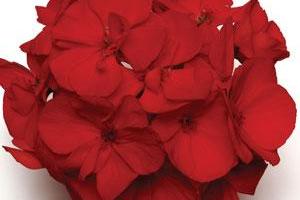


Hemerocallis x 'Stella De Oro'
Daylily
Photo of Hemerocallis x 'Stella De Oro' - Daylily
No photo for the moment for Hemerocallis x 'Stella De Oro' - Daylily

Please note: You must be the owner of the posted photo and it must not be copyrighted.
Things You Must Knows cannot be held responsible for photos posted in violation of this rule
Common Name:
Plant Type:
Foliage color:
GreenSun (From 0 to 5):
Water (From 0 to 5):
Maximum temperature:
Minimum temperature:
Maximum height:
Maximum width:
Daylily (Hemerocallis x 'Stella De Oro') - Description
The longest blooming daylily ever, with distinctive gold flowers. Champions for low maintenance and beautiful color in midsummer. Grows best in full sun and tolerates part shade.
Daylily (Hemerocallis x 'Stella De Oro') - Blooming
The funnel-shaped blooms last for only one day, but new blooms continue for weeks or months from late spring through the summer. The flowers bloom on tall stalks, starting at the top. When used as cut flowers, a single bloom will fade after one day, but the other buds will flower on subsequent days.
Daylily (Hemerocallis x 'Stella De Oro') - Growth
Daylilies are hardy, long-lived perennials. They like full or partial sun, and will turn to face it.
Daylily (Hemerocallis x 'Stella De Oro') - Planting
Divide the plants, as cultivars do not come true from seed. When they become overcrowded, begin to flower less, or in the early spring or early fall, you can divide.
Daylily (Hemerocallis x 'Stella De Oro') - Pest
Beware slugs and snails which will leave the foliage unsightly. Aphids, thrips, spider mites, and hemerocallis gall midge can also cause problems. In areas with high humidity and temperatures above 90°F (32°C), crown rot becomes a major issue. After a cold winter of freezing and thawing, bacterial leaf and stem rot can occur in the spring.
Daylily (Hemerocallis x 'Stella De Oro') - Interesting facts
Hemerocallis are native to China, Korea, and Japan.
Daylily (Hemerocallis x 'Stella De Oro') - Soil and irrigation
Daylilies do best in rich, fertile, moist, well-drained soils, but some cultivars can grow in sandy soil as well. Keep soil moist during dry weather for better blooming.