

Iris cristata
Dwarf Crested Iris
Photo of Iris cristata - Dwarf Crested Iris
No photo for the moment for Iris cristata - Dwarf Crested Iris

Please note: You must be the owner of the posted photo and it must not be copyrighted.
Things You Must Knows cannot be held responsible for photos posted in violation of this rule
Common Name:
Foliage color:
GreenSun (From 0 to 5):
Water (From 0 to 5):
Maximum temperature:
Minimum temperature:
Maximum height:
Dwarf Crested Iris (Iris cristata) - Description
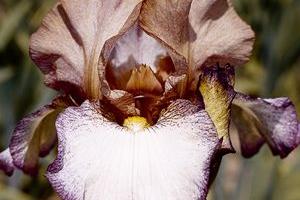
Iris cristata, the Dwarf Crested Iris, is a beardless rhizomatous iris (genus Iris, subgenus Limniris), endemic to the eastern United States, south of where the Wisconsinan glaciation spread about 11,000 years ago. Iris cristata is a close relative to Iris lacustris (Dwarf lake iris), the only other crested iris native to North America, which, unlike the Crested iris, is found only in small areas of the Great Lakes region that have been glacier-free for only 11,000 years.
Dwarf Crested Iris (Iris cristata) - Blooming
All bear flowers with 6 petals. Three, called standards, point up or out. And three, called falls, point out or down. Generally flowers are borne in small clusters and buds open in succession along the stalk.
Dwarf Crested Iris (Iris cristata) - Growth
A vast genus or both perennials and bulbs, 300 species and thousands of cultivars. Foliage is sword shaped, strap shaped, or grassy. Some rhizomatous species spread widely, other form clumps.
Dwarf Crested Iris (Iris cristata) - Planting
Varies by type. Beware of planting rhizomes too deeply or covered with too much mulch, as they may rot. Plant bearded irises from mid-summer to early fall.
Dwarf Crested Iris (Iris cristata) - Pest
The most serious problem is bacterial soft rot, which you will recognize from mushy, foul-smelling rhizomes. To prevent, do not use manure or excess nitrogen, especially with poor drainage. If soft rot occurs, dig up and destroy the effected portions of rhizome
Dwarf Crested Iris (Iris cristata) - Interesting facts
Iris, the Greek goddess of the rainbow, gives her name to these flowers. History records their cultivation as far back as 1500 BC in Egypt.
Dwarf Crested Iris (Iris cristata) - Soil and irrigation
Bearded irises prefer average to rich, well-drained soil. Whereas bog irises need permanently damp soil or even to be placed at a pond margin.