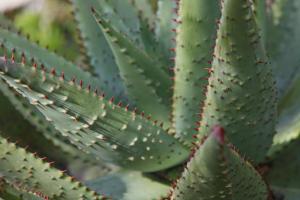


Kniphofia x 'Red Hot Poker'
Red-hot Poker
Photo of Kniphofia x 'Red Hot Poker' - Red-hot Poker
No photo for the moment for Kniphofia x 'Red Hot Poker' - Red-hot Poker

Please note: You must be the owner of the posted photo and it must not be copyrighted.
Things You Must Knows cannot be held responsible for photos posted in violation of this rule
Common Name:
Foliage color:
GreenSun (From 0 to 5):
Water (From 0 to 5):
Maximum temperature:
Minimum temperature:
Maximum height:
Maximum width:
Red-hot Poker (Kniphofia x 'Red Hot Poker') - Description
Not a blowtorch, but close. Spikes glow, blaze open fiery red, then pale and wither. Mixture contains colors not usually available. Use as accents with grasses, or sprawling blues and purples. Spice up your Hypercom's, Helenium and gaillardias. The classic showpiece. Seeds may be started indoors about 6 weeks before outdoor planting time. In cold areas, protect over winter with a layer of straw mulch. Cultivate or mulch to control weeds.
Red-hot Poker (Kniphofia x 'Red Hot Poker') - Blooming
Inflorescences of flowers look like glowing pokers or torches, hence the common name Red-Hot Poker. Most species flower in the summer and repeat flowering through the growing season. Plants attract bees.
Red-hot Poker (Kniphofia x 'Red Hot Poker') - Growth
Plants range in size from 1 1/2 ft. to 6 ft. tall. Kniphofia grows best in full sun or partial shade. Works well in a herbaceous border. Mulch plants during the first winter with straw or leaves.
Red-hot Poker (Kniphofia x 'Red Hot Poker') - Planting
Easily propagated from seeds or by dividing clumps.
Red-hot Poker (Kniphofia x 'Red Hot Poker') - Pest
These plants need to be protected from slugs and snails. Some occasional problems are stem and crown rot.
Red-hot Poker (Kniphofia x 'Red Hot Poker') - Interesting facts
Kniphofia is native to Southern and tropical Africa, often found atop mountains or along streamsides. They make excellent cut flowers.
Red-hot Poker (Kniphofia x 'Red Hot Poker') - Soil and irrigation
Well-drained soil is essential to survival in the winter. In the summer these plants can even withstand marsh-like soil conditions. If it is too dry in the summer, they will fail to bloom. Does best in deep, fertile, sandy soil that is kept moist.