

Lindera benzoin
Spice Bush
Photo of Lindera benzoin - Spice Bush
No photo for the moment for Lindera benzoin - Spice Bush

Please note: You must be the owner of the posted photo and it must not be copyrighted.
Things You Must Knows cannot be held responsible for photos posted in violation of this rule
Common Name:
Foliage color:
GreenSun (From 0 to 5):
Water (From 0 to 5):
Maximum temperature:
Minimum temperature:
Maximum height:
Maximum width:
Spice Bush (Lindera benzoin) - Description
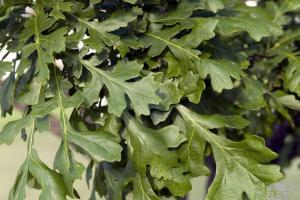
L. benzoin is native to woodlands in the eastern United States. It bears light green leaves that are 3 to 5 inches long and half as wide. It bears a yellow color in the fall, which is shown best in full sun.
Spice Bush (Lindera benzoin) - Blooming
In early spring, blooms small greenish yellow flowers followed by red berries on female plants.
Spice Bush (Lindera benzoin) - Growth
Spicebushes are known for their fall foliage; however in the early spring they flower. The small greenish yellow flowers are borne on leafless shoots. The tallest of the horticulturally grown species can reach 20 ft. in height. Grows best in partial shade.
Spice Bush (Lindera benzoin) - Planting
Female and male plants must be planted together to produce fruits. Sow seeds in fall, in containers in a cold frame (for protection and to ensure hardiness). Can also propagate with greenwood cuttings in summer.
Spice Bush (Lindera benzoin) - Pest
Problems include dieback, anthracnose, and rust, all of which occur on occasion.
Spice Bush (Lindera benzoin) - Interesting facts
Lindera is endemic to Eastern Asia and North America, where it is mainly found in the woodlands and on riverbanks. In North America, the leaves can be used to make a tea.
Spice Bush (Lindera benzoin) - Soil and irrigation
Spicebushes can tolerate drought, but requires well-drained soils that are acidic and fertile.