

Lysimachia ciliata
Fringed Loosestrife
Photo of Lysimachia ciliata - Fringed Loosestrife
No photo for the moment for Lysimachia ciliata - Fringed Loosestrife

Please note: You must be the owner of the posted photo and it must not be copyrighted.
Things You Must Knows cannot be held responsible for photos posted in violation of this rule
Common Name:
Sun (From 0 to 5):
Water (From 0 to 5):
Maximum temperature:
Minimum temperature:
Fringed Loosestrife (Lysimachia ciliata) - Description
Lysimachia ciliata (fringed loosestrife) is a species of flowering plant in the Myrsinaceae family. It is an erect, herbaceous perennial growing to 120 cm (47 in) tall and 60 cm (24 in) broad, with opposite, simple leaves, and smooth, green stems. The star-shaped yellow flowers are borne in midsummer. It is native to North America, including most of southern Canada and most of the United States except for the southwest.
Fringed Loosestrife (Lysimachia ciliata) - Blooming
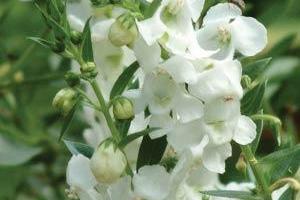
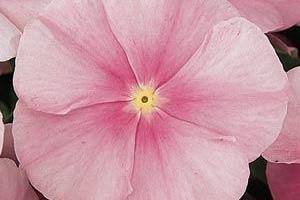
Five petaled flowers that are usually yellow or white. Starry to cup or saucer shaped. Blooms are born singly or in racemes or panicles.
Fringed Loosestrife (Lysimachia ciliata) - Growth
Perennials and shrubs. Perennials range from erect, clump forming to creeping ground covers. Leaves are simple. Grows best in full sun or partial shade. High-growing species may require support.
Fringed Loosestrife (Lysimachia ciliata) - Planting
Divide plants in spring or fall or root cuttings in spring or summer. Plants self-sow.
Fringed Loosestrife (Lysimachia ciliata) - Pest
Rust and leaf spot occur sometimes.
Fringed Loosestrife (Lysimachia ciliata) - Interesting facts
Members of this genus can be native to Europe, Asia, North America, and South Africa. Some species are invasive. Even a small portion of their roots, if cut, can grow into an entirely new plant.
Fringed Loosestrife (Lysimachia ciliata) - Soil and irrigation
Rich, well-drained, evenly moist soil. Needs constantly moist soil that does not dry out during the summer. Can grow in bog gardens. Does not tolerate drought.