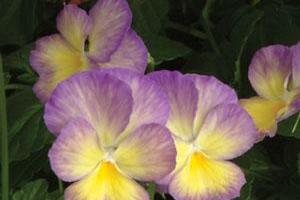


Melia azedarach
White Cedar
Photo of Melia azedarach - White Cedar
No photo for the moment for Melia azedarach - White Cedar

Please note: You must be the owner of the posted photo and it must not be copyrighted.
Things You Must Knows cannot be held responsible for photos posted in violation of this rule
Common Name:
Sun (From 0 to 5):
Water (From 0 to 5):
Maximum temperature:
Minimum temperature:
White Cedar (Melia azedarach) - Description
Melia azedarach, commonly known by many names, including white cedar, chinaberry tree, bead-tree, Cape lilac, syringa berrytree, Persian lilac, and Indian lilac, is a species of deciduous tree in the mahogany family, Meliaceae, that is native to Pakistan, India, Bangladesh, Indochina, Southeast Asia and Australia. The genus Melia includes four other species, occurring from southeast Asia to northern Australia.
White Cedar (Melia azedarach) - Blooming
In spring or early summer, bears loose clusters of lilac flowers, fragrant in evening. Followed by hard, half inch berry like fruit that is poisonous if ingested.
White Cedar (Melia azedarach) - Growth
30-50 foot deciduous tree, spreading, irregular habit. Leaves 1-3 feet long, with many toothed, narrow or oval leaflets 1-2 inches long. Brittle wood, vulnerable to storm damage. Grows best in full sun with protection from winds.
White Cedar (Melia azedarach) - Planting
Sow seeds in spring. Can also propagate with softwood cuttings in summer.
White Cedar (Melia azedarach) - Pest
Spider mites and scale insects. Other problems include canker, dieback, root rot, powdery mildew, mushroom root rot, and anthracnose, all of which occur occasionally.
White Cedar (Melia azedarach) - Interesting facts
Although toxic to humans, the fruits are perfectly fine for birds to eat. Its bead-like seeds were once used to make rosaries before the widespread use of plastics.
White Cedar (Melia azedarach) - Soil and irrigation
Moderate water. Tolerates poor alkaline soil and drought.