

Mentha x 'Curly'
Mint
Photo of Mentha x 'Curly' - Mint
No photo for the moment for Mentha x 'Curly' - Mint

Please note: You must be the owner of the posted photo and it must not be copyrighted.
Things You Must Knows cannot be held responsible for photos posted in violation of this rule
Common Name:
Plant Type:
Flower color:
Foliage color:
GreenSun (From 0 to 5):
Water (From 0 to 5):
Maximum temperature:
Minimum temperature:
Maximum height:
Mint (Mentha x 'Curly') - Description
Small, curly leaves flavor cold drinks, teas, sauces, jelly, candy, fruit salads and chocolate. Start seed early indoors. Plants tolerate light frost; set outside early. Indefinate spread.
Mint (Mentha x 'Curly') - Blooming
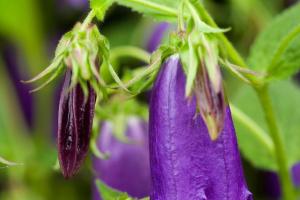
Although mints do have flowers, they are grown for the flavor and smells of their leaves and stems. Blooms bell-shaped flowers in summer. Remove the flowers as they appear and pinch back the stems to promote bushier growth.
Mint (Mentha x 'Curly') - Growth
Aromatic, rhizomatous perennials. Some species are annuals. Mints generally do well full sun to partial shade. They have underground stems that help them spread rapidly. They can be rather weedy and should be controlled. The best way to control mint is to grow in containers. M. aquatica can be grown in containers submerged in up to 6" deep water, and is often used to stabilize the muddy edges of a pool. Mints grow well in an herb or vegetable garden. M. pulegium makes a nice low groundcover. M. requienii works well in a moist, shady rock garden. Mints have culinary, medicinal, and industrial uses. They are often implemented in herbal teas and potpourri.
Mint (Mentha x 'Curly') - Planting
Very easily propagated via runners, or sow seeds in spring in containers in a cold frame. Can also propagate by division in spring or fall, or from rip cuttings in spring or summer. Plant different types far apart to avoid cross-pollination.
Mint (Mentha x 'Curly') - Pest
Prone to powdery mildew, anthracnose, leaf spot, stem canker, and rust. Affected by aphids, spider mites, flea beetles, root borers, cutworms, and root weevils. Planting mint in containers will prevent against soil-borne diseases. Rid of aphids and spider mites that appear by spraying the undersides of the mint leaves with a garden hose.
Mint (Mentha x 'Curly') - Interesting facts
Mentha is native to Europe, Africa, and Asia. Mints occur mostly in shallow water or wet or moist soil. There are around 25 known species.
Mint (Mentha x 'Curly') - Soil and irrigation
Although they can grow pretty much anywhere, they do best in light, moist, and medium-rich soils that are slightly acidic.