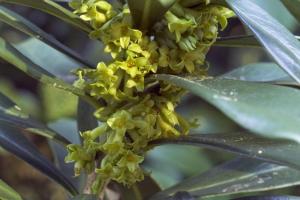
Rhus typhina
Staghorn Sumac
Photo of Rhus typhina - Staghorn Sumac
No photo for the moment for Rhus typhina - Staghorn Sumac

Please note: You must be the owner of the posted photo and it must not be copyrighted.
Things You Must Knows cannot be held responsible for photos posted in violation of this rule
Common Name:
Flower color:
Foliage color:
GreenSun (From 0 to 5):
Water (From 0 to 5):
Maximum temperature:
Minimum temperature:
Maximum height:
Maximum width:
Staghorn Sumac (Rhus typhina) - Description
Rhus typhina syn. R. hirta (staghorn sumac or stag's horn sumach) is a species of flowering plant in the family Anacardiaceae, native to eastern North America. It is primarily found in Southeastern Canada, the Northeastern and Midwestern United States and the Appalachian Mountains, but is widely cultivated as an ornamental throughout the temperate world.
Staghorn Sumac (Rhus typhina) - Growth
Grow in full sun for best fall color.
Staghorn Sumac (Rhus typhina) - Planting
Sow seeds in autumn. Take semi-ripe cuttings in summer. Take root cuttings in winter.
Staghorn Sumac (Rhus typhina) - Pest
Prone to scale and caterpillars. Powdery mildew, wilts, wood rots and leaf spot.
Staghorn Sumac (Rhus typhina) - Interesting facts
Members of the genus Rhus are closely related to those of the genus Toxicodendron (better known as Poison Oak, Poison Sumac or Poison Ivy). Some species look very similar to their more poisonous relatives, but have little to no epidermal toxicology. The dried wood of the plants from this genus fluoresce under UV light.
Staghorn Sumac (Rhus typhina) - Soil and irrigation
Sumacs require little to no water and are not fussy about soil type as long as the soil is well-draining.