Robinia pseudoacacia
Black Locust
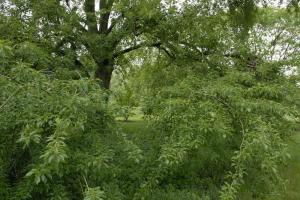
Photo of Robinia pseudoacacia - Black Locust
No photo for the moment for Robinia pseudoacacia - Black Locust

Please note: You must be the owner of the posted photo and it must not be copyrighted.
Things You Must Knows cannot be held responsible for photos posted in violation of this rule
Common Name:
Flower color:
Sun (From 0 to 5):
Water (From 0 to 5):
Maximum temperature:
Minimum temperature:
Maximum height:
Maximum width:
Black Locust (Robinia pseudoacacia) - Description
Robinia pseudoacacia, commonly known as the Black Locust, is a tree of the genus Robinia in the subfamily Faboideae of the pea family Fabaceae. It is native to the southeastern United States, but has been widely planted and naturalized elsewhere in temperate North America, Europe, Southern Africa and Asia and is considered an invasive species in some areas. A less frequently used common name is FalseAcacia, which is a literal translation of the specific epithet. It was introduced into Britain in 1636.
Black Locust (Robinia pseudoacacia) - Growth
Robinias should be planted in full sun. Shelter from strong winds as the branches are brittle.
Black Locust (Robinia pseudoacacia) - Planting
Sow seeds in containers in a cold frame in fall. Take root cuttings in winter.
Black Locust (Robinia pseudoacacia) - Pest
Leaf miners, whitefly, weevils, borers and caterpillars are the insect pests that are especially attracted to these plants. Prone to various rots, canker and powdery mildew.
Black Locust (Robinia pseudoacacia) - Interesting facts
The genus, Robinia, is named after the French gardener Jean Robin. Jean introduced the tree to Europe in the early 17th century. Like other members of the Fabaceae family, Robinias form a mutualistic relationship with the Rhizobium bacterium. These bacteria live inside the roots of the tree. The tree gives the bacteria sugar to feed upon while the bacteria give the tree a usable form of nitrogen. This source of nitrogen makes the need for nitrogen fertilizer more or less unnecessary.
Black Locust (Robinia pseudoacacia) - Soil and irrigation
Locusts prefer moist, well drained soil but will tolerate poor, dry soils.