Rubus odoratus
Purple Flowering Raspberry
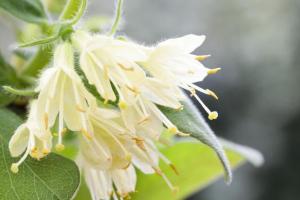
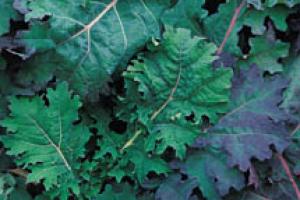
Photo of Rubus odoratus - Purple Flowering Raspberry
No photo for the moment for Rubus odoratus - Purple Flowering Raspberry

Please note: You must be the owner of the posted photo and it must not be copyrighted.
Things You Must Knows cannot be held responsible for photos posted in violation of this rule
Common Name:
Flower color:
Foliage color:
GreenSun (From 0 to 5):
Water (From 0 to 5):
Maximum temperature:
Minimum temperature:
Maximum height:
Maximum width:
Purple Flowering Raspberry (Rubus odoratus) - Description
Rubus odoratus (Purple-flowered Raspberry, Flowering Raspberry, or Virginia raspberry) is a species of Rubus, native to eastern North America, from Nova Scotia west to Ontario, and south to Georgia and Alabama. It is a shrub growing to 3 m tall, with perennial, not biennial stems (unlike many other species in the genus).
Purple Flowering Raspberry (Rubus odoratus) - Blooming
Blooms in late spring so frost is usually not a threat.
Purple Flowering Raspberry (Rubus odoratus) - Growth
Grow deciduous species in full Sun. Grow evergreen species in full sun or partial shade. Brambles thrive in areas with long, mild springs and cool summer nights. Best to train brambles to a V-shape trellis which makes harvesting the fruits easier.
Purple Flowering Raspberry (Rubus odoratus) - Planting
Take greenwood cuttings of deciduous species in summer or hardwood cuttings in early winter. Take semi-ripe cuttings of evergreen species in summer. Make sure not to plant brambles in a site where potatoes, eggplants, tomatoes, and peppers have grown in the past 3 years, because this site may contain verticillium wilt which will harm brambles.
Purple Flowering Raspberry (Rubus odoratus) - Pest
Prone to various wilts and mildews, scale, leafhoppers, and caterpillars.
Purple Flowering Raspberry (Rubus odoratus) - Interesting facts
The fruits of blackberries, raspberries and the like have some of the highest concentrations of antioxidants of any fruit, which is primarily due to their high concentrations of polyphenolic compounds.In the United Kingdom there is a superstition that blackberries should not be harvested after September 29th. After this date the devil has marked them by urinating on the leaves of the brambles. As unfortunate as this may sound, there is some value to the superstition. As October rolls around, the fruits have been on the stem long enough that they may be rotten and infested with insects. Whether or not they are covered with the devil's urine or rotten, they should not be eaten.
Purple Flowering Raspberry (Rubus odoratus) - Soil and irrigation
Grow in well drained soil that is moderately fertile. Brambles prefer acidic soil. Infrequent watering. Provide a mulch to prevent the growth of weeds and enhance water retention.