Spiraea nipponica 'Snowmound'
Nippon Spirea
Photo of Spiraea nipponica 'Snowmound' - Nippon Spirea
No photo for the moment for Spiraea nipponica 'Snowmound' - Nippon Spirea

Please note: You must be the owner of the posted photo and it must not be copyrighted.
Things You Must Knows cannot be held responsible for photos posted in violation of this rule
Common Name:
Plant Type:
Flower color:
Sun (From 0 to 5):
Water (From 0 to 5):
Maximum temperature:
Minimum temperature:
Maximum height:
Maximum width:
Nippon Spirea (Spiraea nipponica 'Snowmound') - Description
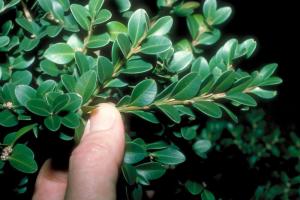
Spiraea nipponica is a species of flowering plant in the family Rosaceae, native to Japan. Growing to 1. 2–2. 5 m (4–8 ft) tall and broad, it is a deciduous shrub with clusters of small, bowl-shaped white flowers in midsummer. The specific epithet Nipponica means "Japanese". The cultivar 'Snowmound' has gained the Royal Horticultural Society's Award of Garden Merit.
Nippon Spirea (Spiraea nipponica 'Snowmound') - Blooming
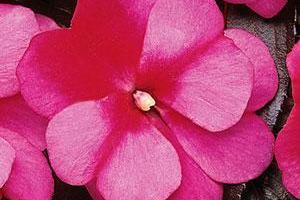
Blooms many saucer-shaped flowers in white, yellow, pink, or purple in spring or summer.
Nippon Spirea (Spiraea nipponica 'Snowmound') - Growth
Deciduous or semi-evergreen shrubs. Spiraea does best in full sun or light shade. Plant height varies depending on variety. Some species will reach 7 ft. Works well in a mixed or shrub border. Compact plants are great additions to a rock garden. Low-growing variants of S. japonica are suitable groundcovers. Taller species make nice loose hedges.
Nippon Spirea (Spiraea nipponica 'Snowmound') - Planting
Propagate from greenwood cuttings in summer. Can also divide suckering species, such as S. x billiardii and S. douglasii, in late fall or early in spring.
Nippon Spirea (Spiraea nipponica 'Snowmound') - Pest
Aphids, weevils, and scale insects. Other issues include dieback, fireblight, leaf spot, and powdery mildew.
Nippon Spirea (Spiraea nipponica 'Snowmound') - Soil and irrigation
Spirea is not fussy about soil type but does require regular to moderate water. Does best in rich, well-draining soil that is kept moist.