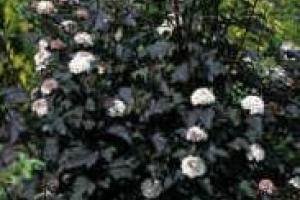
Ulmus pumila
Siberian Elm
Photo of Ulmus pumila - Siberian Elm
No photo for the moment for Ulmus pumila - Siberian Elm

Please note: You must be the owner of the posted photo and it must not be copyrighted.
Things You Must Knows cannot be held responsible for photos posted in violation of this rule
Common Name:
Flower color:
Foliage color:
GreenSun (From 0 to 5):
Water (From 0 to 5):
Maximum temperature:
Minimum temperature:
Maximum height:
Maximum width:
Siberian Elm (Ulmus pumila) - Description
Ulmus pumila, the Siberian Elm, is native to Central Asia, eastern Siberia, Mongolia, Xizang (Tibet), northern China, India (northern Kashmir) and Korea. It is also known as the Asiatic Elm, Dwarf Elm and (erroneously) Chinese Elm. Two varieties are recognized: var pumila and var. arborea, the latter known as Turkestan elm. Ulmus pumila has been widely cultivated throughout Asia, the Americas and, to a lesser extent, southern Europe.
Siberian Elm (Ulmus pumila) - Blooming
The flowers are mostly insignificant, but they result in papery fruits that are very messy and come spring.
Siberian Elm (Ulmus pumila) - Growth
Deciduous trees. Some species are semi-evergreen trees and shrubs, but they are very rare. Elms do best in full sun or partial shade. They are very large trees with some reaching over 100 ft. tall and can spread just as wide and sometimes wider. Ulmus works best as an ornamental tree. U. x hollandica is appropriate in a shrub border or as a hedge.
Siberian Elm (Ulmus pumila) - Planting
Propagate from the seed in fall or spring. Sow in containers outdoors. Can also propagate from greenwood cuttings in summer or from suckers in fall. Weeping trees should be budded in summer or grafted in winter.
Siberian Elm (Ulmus pumila) - Pest
Dutch Elm disease, spread by bark beetles, has devastated American elms. Asiatic elms are the most disease resistant, and thus new breeds have been selected to spread this resistance to American elms. Beyond this disease many other pests are attracted to the trees: beetles, leafhoppers, aphids and scale insects.
Siberian Elm (Ulmus pumila) - Interesting facts
Ulmus is native to the woodland thickets and hedgerows of Northern temperate areas.
Siberian Elm (Ulmus pumila) - Soil and irrigation
Is not particularly fussy about soil type, but does require moist soil with good drainage. Needs regular water.