Verbena rigida
Vervain
Photo of Verbena rigida - Vervain
No photo for the moment for Verbena rigida - Vervain

Please note: You must be the owner of the posted photo and it must not be copyrighted.
Things You Must Knows cannot be held responsible for photos posted in violation of this rule
Common Name:
Plant Type:
Foliage color:
GreenSun (From 0 to 5):
Water (From 0 to 5):
Maximum temperature:
Minimum temperature:
Maximum height:
Maximum width:
Vervain (Verbena rigida) - Description
Verbena rigida (slender vervain, tuberous vervain), syn. V. venosa, is a flowering herbaceous perennial plant in the family Verbenaceae. It is native to Brazil and Argentina, and is not fully hardy in temperate climates, where consequently it is grown from seed as an annual. Growing to 60 centimetres (24 in), it has a spreading habit, with stalkless toothed leaves and bright purple or magenta, scented flowers in summer. Numerous cultivars have been selected for garden use. The species has gained the Royal Horticultural Society's Award of Garden Merit.
Vervain (Verbena rigida) - Blooming
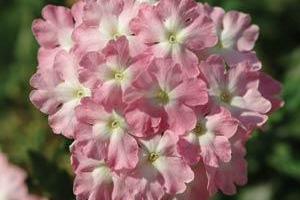
Flowers come in many different colors. Blooms in clusters of small, tubular 5-petaled flowers at the tops of floral stems.
Vervain (Verbena rigida) - Growth
All species of Verbena need full sun for their best performance. Does best in hot weather.
Vervain (Verbena rigida) - Planting
Plant in locations that will provide good air circulation. Works well in parking strips along driveways and hanging baskets.
Vervain (Verbena rigida) - Pest
Mildew can be a problem which is why it is best to have good air circulation around the plants.
Vervain (Verbena rigida) - Interesting facts
Verbena has been said throughout history to posses divine qualities. Historically it was called "the tears of Isis". Today the oil is sometimes sold as Spanish Verbena oil and is used in perfumes.
Vervain (Verbena rigida) - Soil and irrigation
Most varieties need little to moderate water, but there are some that need regular water (V. 'Homestead Purple', V. Tamari hybrids).