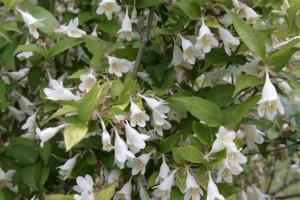
Viola labradorica
Labrador Violet
Photo of Viola labradorica - Labrador Violet
No photo for the moment for Viola labradorica - Labrador Violet

Please note: You must be the owner of the posted photo and it must not be copyrighted.
Things You Must Knows cannot be held responsible for photos posted in violation of this rule
Common Name:
Sun (From 0 to 5):
Water (From 0 to 5):
Maximum temperature:
Minimum temperature:
Maximum height:
Maximum width:
Labrador Violet (Viola labradorica) - Description
Viola labradorica (Labrador Violet, Alpine Violet) is a perennial native to Greenland, eastern Canada, and the United States. The plant sold as Viola labradorica by nurseries is Viola riviniana.
Labrador Violet (Viola labradorica) - Blooming
In colder climates, Violas are valuable for spring to summer color. In more mild climates, Violas provide color in winter as well. Deadhead plant to promote blooming.
Labrador Violet (Viola labradorica) - Growth
Anuuals, biennials, evergreen, semi-evergreen, deciduos perennials and some deciduous subshrubs. Violas can withstand full sun to partial shade with few exceptions. Violas make great bedding plants, but excel in containers as well. Plants can exhibit weed-like behavior. Self-seeding occurs at fairly high rates.
Labrador Violet (Viola labradorica) - Planting
In cold climates, Violas can be sown indoors during the winter for spring bloom. In warmer climates, plugs should be planted in fall for flowering from winter to spring.
Labrador Violet (Viola labradorica) - Pest
Slugs, snails, aphids, and violet leaf midge. Viola is also vulnerable to powdery mildew, crown and root rot, rust, gray mold, spot anthracnose, fungal leaf spots, downy mildew, and mosaic viruses.
Labrador Violet (Viola labradorica) - Interesting facts
Viola is found worldwide. There are around 500 known species.
Labrador Violet (Viola labradorica) - Soil and irrigation
Does best in rich, well-draining soil that is kept moist. Plants grown in a rock garden prefer poor to moderately rich, gritty soil with excellent drainage. In an alpine house, the soil should be composed of equal amounts of loam, leaf mold, and grit (or tufa chips).