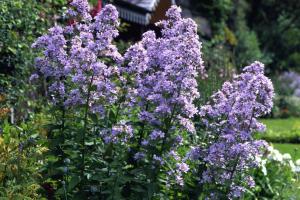
Asparagus officinalis 'Jersey Giant'
Asparagus
Photo of Asparagus officinalis 'Jersey Giant' - Asparagus
No photo for the moment for Asparagus officinalis 'Jersey Giant' - Asparagus

Please note: You must be the owner of the posted photo and it must not be copyrighted.
Things You Must Knows cannot be held responsible for photos posted in violation of this rule
Common Name:
Foliage color:
GreenSun (From 0 to 5):
Water (From 0 to 5):
Maximum temperature:
Minimum temperature:
Maximum height:
Maximum width:
Asparagus (Asparagus officinalis 'Jersey Giant') - Description
Plant this perennial vegetable just once and enjoy the succulent spears for years. Graceful, feathery green foliage remains attractive long after harvest. We supply large, 1-year old roots for light cutting next spring, regular cuttings for many years thereafter. Plant roots in a bed where they can produce undisturbed. Growing instructions included. Jersey Giant. Best for high yield, fine flavor and the largest succulent spears. Along with getting twice the yield of old-fashioned varietals, 'Jersey Giant' has excellent resistance to Fusarium wilt, crown rot and rust
Asparagus (Asparagus officinalis 'Jersey Giant') - Blooming
Fragrant white or pink flowers appear in summmer, followed by red, orange, or purple berries.
Asparagus (Asparagus officinalis 'Jersey Giant') - Growth
Perennial. One of the first vegetables that is ready for harvest in spring. Provide full sun exposure for best growth. Spears that aren't harvested grow into fern like stems. Asparagus plants are salt tolerant and established plants can withstand drought.
Asparagus (Asparagus officinalis 'Jersey Giant') - Planting
Propagate from crowns or domrant one-year-old roots purchased from a nursery. Plant in spring in trenches in sandy soil. Space crowns 4-5 ft apart. Amend soil with compost before planting.
Asparagus (Asparagus officinalis 'Jersey Giant') - Pest
Best to choose disease resistant varieties as fusarium root rot and rust disease can cause major problems including disfigurement and death of the asparagus plant. Aspargus beetles feed on the spears and ferns and decrease yield if present in high numbers. Control beetles by destroying old ferns in fall, spraying adult beetles with neem oil, and removing larvae from ferns in summer.
Asparagus (Asparagus officinalis 'Jersey Giant') - Interesting facts
Postulated to have origins along the Mediterranean sandy coasts. Cultivated for thousands of years and most popularly used in casseroles and salads.
Asparagus (Asparagus officinalis 'Jersey Giant') - Soil and irrigation
Does best in rich, moist sandy soil with good drainage. Keep beds well watered, especially when young.