Amelanchier canadensis
Shadblow
Photo of Amelanchier canadensis - Shadblow
No photo for the moment for Amelanchier canadensis - Shadblow

Please note: You must be the owner of the posted photo and it must not be copyrighted.
Things You Must Knows cannot be held responsible for photos posted in violation of this rule
Common Name:
Flower color:
Foliage color:
GreenSun (From 0 to 5):
Water (From 0 to 5):
Maximum temperature:
Minimum temperature:
Maximum height:
Maximum width:
Shadblow (Amelanchier canadensis) - Description
A. canadensis grow to 25 feet tall, with short, clusters of flowers.
Shadblow (Amelanchier canadensis) - Blooming
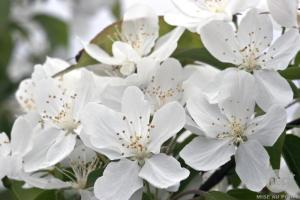
Flowers in the early spring. Generally, the flowers are white, but may can be striped with pink. Followed by spherical, purple to maroon fruits that are often sweet and attract birds. The fruits are edible and ripen in summer.
Shadblow (Amelanchier canadensis) - Growth
Deciduous trees and shrubs, often suckering. Does best in full sun. Some species can reach 65 ft. tall. Grow Amelanchier in a shrub border or edge of a woodland garden. Also makes a nice ornamental plant.
Shadblow (Amelanchier canadensis) - Planting
Propagate from the seed. Sow in a seedbed once the seeds ripen. Species hybridize often. Can also propagate from greenwood or semi-ripe cuttings in summer. Remove suckers in winter.
Shadblow (Amelanchier canadensis) - Pest
Prone to fungal leaf spots, fire blight, cankers, and dieback. Rust and powdery mildew may occur.
Shadblow (Amelanchier canadensis) - Interesting facts
Some plants in the genus Amelanchier are commonly known as Shadbushes.They are named after the shad (a local river herring). According to tradtion Shadbushes bloom in early spring "when the shad run".The fruit are very colorful and are especially attractive to birds.
Shadblow (Amelanchier canadensis) - Soil and irrigation
Does best in moist, but well-drained soil that is acidic and fertile. A. asiatica and A. alnifolia bear alkaline soil.