Arctostaphylos uva-ursi
Bearberry
Photo of Arctostaphylos uva-ursi - Bearberry
No photo for the moment for Arctostaphylos uva-ursi - Bearberry

Please note: You must be the owner of the posted photo and it must not be copyrighted.
Things You Must Knows cannot be held responsible for photos posted in violation of this rule
Common Name:
Plant Type:
Foliage color:
GreenSun (From 0 to 5):
Water (From 0 to 5):
Maximum temperature:
Minimum temperature:
Maximum height:
Maximum width:
Bearberry (Arctostaphylos uva-ursi) - Description
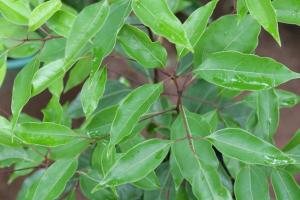
A. uva-ursi is native from Northern California north to Alaska, and it is also widespread in other northern latitudes. It forms a mat 15' wide with small, glossy, leathery bright green leaves, which turn red or purplish in the winter. They bear white or pinkish flowers followed by red fruits.
Bearberry (Arctostaphylos uva-ursi) - Blooming
Manzanitas produce urn-shaped white or pink flowers generally in late winter and early spring.
Bearberry (Arctostaphylos uva-ursi) - Planting
Water any Manzanita once per week during its first summer to allow it to establish itself.
Bearberry (Arctostaphylos uva-ursi) - Interesting facts
The various names of Arctostaphylos derive from its fruits. The scientific name comes from Greek for "bear grapes" and Manzanita is Spanish for "little apple". While the fruits, leaves, and bark of some species can be used as a traditional medicine, too much can cause nausea.
Bearberry (Arctostaphylos uva-ursi) - Soil and irrigation
Manzanitas perform best in rocky or sandy, acid soils and require excellent drainage. Once the plant is established and has survived its first summer, it needs to be watered once per month.