Lamium maculatum 'Beedham's White'
Spotted Deadnettle
Photo of Lamium maculatum 'Beedham's White' - Spotted Deadnettle
No photo for the moment for Lamium maculatum 'Beedham's White' - Spotted Deadnettle

Please note: You must be the owner of the posted photo and it must not be copyrighted.
Things You Must Knows cannot be held responsible for photos posted in violation of this rule
Common Name:
Plant Type:
Foliage color:
Variegated Silver Pink Green YellowSun (From 0 to 5):
Water (From 0 to 5):
Maximum temperature:
Minimum temperature:
Maximum height:
Maximum width:
Spotted Deadnettle (Lamium maculatum 'Beedham's White') - Description
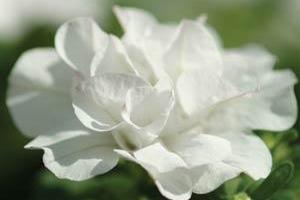
These fabulous ground covers form a carpet of gorgeous golden to chartreuse leaves and pure white flower clusters.
Spotted Deadnettle (Lamium maculatum 'Beedham's White') - Blooming
Clustered flowers are pink white, or yellow, borne from late spring to summer.
Spotted Deadnettle (Lamium maculatum 'Beedham's White') - Growth
Perennials. Leaves in opposite pairs are heart shaped, toothed, and marked with white. All species are vigorous growers. Spreading to 2-3 feet. Grow fast-spreading species in partial to deep shade.
Spotted Deadnettle (Lamium maculatum 'Beedham's White') - Planting
Plant invasive species away from small plants. Propagate from the seed in fall or spring, in containers within a cold frame for protection. Division can be carried out during these months. For the smaller species, propagate using stem-tip cuttings from non-flowering shoots in summer.
Spotted Deadnettle (Lamium maculatum 'Beedham's White') - Pest
Slugs and snails. Other problems include leaf spot, downy mildew, and powdery mildew, all of which are quite common.
Spotted Deadnettle (Lamium maculatum 'Beedham's White') - Interesting facts
Lamium has square stems and bear a resemblance to stinging nettles. However, Lamium will not sting you, and are thus 'dead' nettles. You can even eat the leaves in a salad.
Spotted Deadnettle (Lamium maculatum 'Beedham's White') - Soil and irrigation
Regular water. Fast-growing species need well-draining soil that is kept moist.