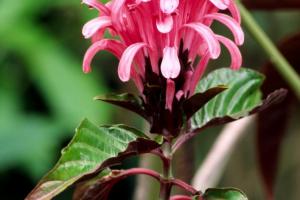
Calluna vulgaris
Scotch Heather
Photo of Calluna vulgaris - Scotch Heather
No photo for the moment for Calluna vulgaris - Scotch Heather

Please note: You must be the owner of the posted photo and it must not be copyrighted.
Things You Must Knows cannot be held responsible for photos posted in violation of this rule
Common Name:
Foliage color:
Variegated GreenSun (From 0 to 5):
Water (From 0 to 5):
Maximum temperature:
Minimum temperature:
Maximum height:
Maximum width:
Scotch Heather (Calluna vulgaris) - Description
C. vulgaris is native from Europe to Asia Minor. It has tiny, scale-like, dark green leaves with bell-shaped rosy pink flowers. Blossom colors include white, pale to deep pink, lavender, and purple.
Scotch Heather (Calluna vulgaris) - Blooming
Comes in various colors including white, different shades of pink, lavender and purple. Blooms in mid to late summer.
Scotch Heather (Calluna vulgaris) - Growth
Evergreen shrubs. Does best with full sun exposure. Some species can get as tall as 3 ft. Plants attract bees. Grow Calluna as groundcover or in a rock garden.
Scotch Heather (Calluna vulgaris) - Planting
Vegetative propagation is the primary method of reproducing this plant. Root semi-ripe cuttings, 2" long, in summer. Semi-ripe cuttings are cuttings taken from semi-mature wood.
Scotch Heather (Calluna vulgaris) - Pest
Spider mites are problems, especially during hot summers.
Scotch Heather (Calluna vulgaris) - Interesting facts
The genus Calluna has only one species (C. vulgaris), and it happens to represent the European version of the Heathers. Although one of the plant's common names is Scotch Heather, it is the national flower of Norway. The genus name is derived from Greek word meaning "to sweep". This comes from the fact that the multi-stemmed branches of the Scotch Heather were used to make brooms.
Scotch Heather (Calluna vulgaris) - Soil and irrigation
Provide regular water. Like all Heathers, C. vulgaris requires acidic soils that are fast draining. If your soil is slightly alkaline, there are many ways you can amend your soil. Probably the most common way is to add sulfur to your soil.