Cercis occidentalis
Western Redbud
Photo of Cercis occidentalis - Western Redbud
No photo for the moment for Cercis occidentalis - Western Redbud

Please note: You must be the owner of the posted photo and it must not be copyrighted.
Things You Must Knows cannot be held responsible for photos posted in violation of this rule
Common Name:
Foliage color:
GreenSun (From 0 to 5):
Water (From 0 to 5):
Maximum temperature:
Minimum temperature:
Maximum height:
Maximum width:
Western Redbud (Cercis occidentalis) - Description
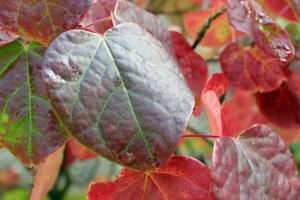
C. occidentalis is native to California, Arizona, and Utah, but predominantly found in California foothills below 4,000 feet. This small tree usually produces several trunks from the base. It bears magenta flowers in the spring, around handsome blue-green 3 inch leaves. It's foliage turns light yellow or red in the fall.
Western Redbud (Cercis occidentalis) - Blooming
Often times, the first flowers of spring are seen on Redbuds. They have pink to purplish pink flowers that are borne on the bare shoots of the plant. The flowers are pea-shaped and evolve into long bean-like fruits.
Western Redbud (Cercis occidentalis) - Growth
Deciduous trees and shrubs. The largest of the species (C. canadensis) reaches 35 ft. tall and wide. Cercis grows best in full sun or light shade. Larger species make nice specimen plants, while smaller ones work well in a shrub border or trained against a wall.
Western Redbud (Cercis occidentalis) - Planting
Can be grown from rooted cuttings in summer, or sow seeds in containers in a cold frame in fall. Cold frames are protective structures, located outside for propagating and growing plants. Plant out Cercis when young as older plants resent transplanting.
Western Redbud (Cercis occidentalis) - Pest
Weevils, caterpillars, leafhoppers, whiteflies, and scale insects are common pests. Other issues include wilt, dieback, canker, leaf spots, blight, and downy mildew.
Western Redbud (Cercis occidentalis) - Interesting facts
Deciduous shrubs and trees that provide fall color. They look best in naturalized settings.
Western Redbud (Cercis occidentalis) - Soil and irrigation
Needs moderate to regular water. Prefers rich, deep, loamy well-draining soil that is kept moist.