Clematis terniflora
Fall Clematis
Photo of Clematis terniflora - Fall Clematis
No photo for the moment for Clematis terniflora - Fall Clematis

Please note: You must be the owner of the posted photo and it must not be copyrighted.
Things You Must Knows cannot be held responsible for photos posted in violation of this rule
Common Name:
Flower color:
Foliage color:
GreenSun (From 0 to 5):
Water (From 0 to 5):
Maximum temperature:
Minimum temperature:
Maximum height:
Maximum width:
Fall Clematis (Clematis terniflora) - Description
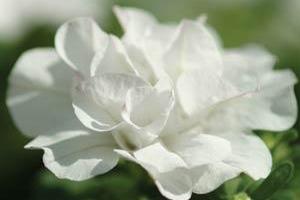
Clematis terniflora produces masses of small 1" creamy white flowers that completely cover this plant. Its sweet scent is an added bonus and is sure to get the attention of anyone who walks by. Very impressive! Can be kept smaller with pruning.
Fall Clematis (Clematis terniflora) - Blooming
Clematis will bloom abundant flowers in the late spring followed by silvery gray seed heads.
Fall Clematis (Clematis terniflora) - Growth
Clematis includes species of twining leaf-climbers and woody-based herbaceous perennials, found in the N. and S. hemispheres. During the spring they do best in full sun, but do well with partial shade in summer.It is important to keep the roots and the base of the plant in the shade and never in direct sun.Climbing species are useful for covering a wall, arbor, trellis, or pergola. They can also be grown over large shrubs or small trees. Herbaceous species work great in a mixed or herbaceous border.
Fall Clematis (Clematis terniflora) - Planting
Clematis is usually propagated through cuttings, but most gardeners will find it much easier to skip this step and directly purchase starter plants. Plant Clematis in the spring at least 18" from any south-facing walls.For climbing species, make sure to plant the top of the root ball about 3" (8cm) below the soil surface. Provide strong support, and tie in the plants initially before they start to climb on their own.
Fall Clematis (Clematis terniflora) - Pest
Clematis is susceptible to Clematis wilt, aphids, whiteflies, spider mites, thrips, botrytis, and fusarium. Keeping foliage dry will help stave off disease.
Fall Clematis (Clematis terniflora) - Interesting facts
Clematis is divided into three prune groups. Group 1 is the early-flowering species-ones that bear flowers on the previous year's shoots in winter and early spring. Group 2 is the midseason, large-flowered cultivars that bear flowers in late spring and early summer on the previous year's growth and in mid to late summer on the current year's growth. Group 3 is the late, large flowered cultivars, small-flowered cultivars, and late-flowering species, that bear flowers in summer and into early fall on the current year's shoots.
Fall Clematis (Clematis terniflora) - Soil and irrigation
Clematis plants prefer porous soil that is well-drained and slightly acidic. Maintain a pH between 5.8 and 6.5: any higher and the plant is susceptible to yellowing.Provide plants with a late winter mulch of compost or well-rotted manure, but avoid the crown when doing so.