Cuphea hyssopifola
False Heather
Photo of Cuphea hyssopifola - False Heather
No photo for the moment for Cuphea hyssopifola - False Heather

Please note: You must be the owner of the posted photo and it must not be copyrighted.
Things You Must Knows cannot be held responsible for photos posted in violation of this rule
Common Name:
Plant Type:
Foliage color:
GreenSun (From 0 to 5):
Water (From 0 to 5):
Maximum temperature:
Minimum temperature:
Maximum height:
Maximum width:
False Heather (Cuphea hyssopifola) - Description
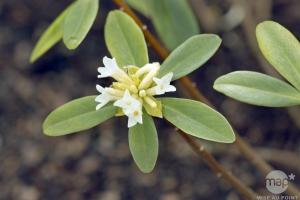
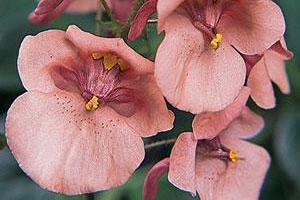
C. hyssopifolia bears flexible long, narrow leaves and tiny pink, purple, or white flowers.
False Heather (Cuphea hyssopifola) - Blooming
Cuphea are short-lived. Tubular flowers either singly or in clusters. Bloom period varies among species, but most flowers appear from late spring to fall. Hummingbirds visit the flowers.
False Heather (Cuphea hyssopifola) - Growth
Short-lived perennials and shrubs. They have ovate to lance-shaped leaves and are covered with sticky hairs. If grown in containers they may be brought indoors for the winter, kept 60-65°F (15-18°C) and in a bright spot.
False Heather (Cuphea hyssopifola) - Planting
Sow seeds indoors, just below soil surface. After 1-2 weeks at 70°F (21°C), seeds should germinate. Let seedlings grow for 8-10 more weeks at 60°F (21°C) before transplanting, after the last frost. Hardier species may also be propagated from cuttings taken in late spring.
False Heather (Cuphea hyssopifola) - Pest
Whiteflies and aphids. Other problems include root rot, powdery mildew, stem galls, some leaf spots, and dieback.
False Heather (Cuphea hyssopifola) - Interesting facts
The tubular flowers are visited by humming birds.
False Heather (Cuphea hyssopifola) - Soil and irrigation
Average to fertile, well-drained soil. Water freely during growth; reduce in winter.