Diospyros texana
Texas Persimmon
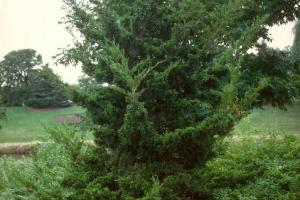
Photo of Diospyros texana - Texas Persimmon
No photo for the moment for Diospyros texana - Texas Persimmon

Please note: You must be the owner of the posted photo and it must not be copyrighted.
Things You Must Knows cannot be held responsible for photos posted in violation of this rule
Common Name:
Flower color:
Foliage color:
GreenSun (From 0 to 5):
Water (From 0 to 5):
Maximum temperature:
Minimum temperature:
Maximum height:
Maximum width:
Texas Persimmon (Diospyros texana) - Description
Diospyros texana is a species of persimmon that is native to central and west Texas and southwest Oklahoma in the United States, and eastern Chihuahua, Coahuila, Nuevo León, and Tamaulipas in northeastern Mexico. Common names include Texas Persimmon, Mexican Persimmon and the more ambiguous "black persimmon". It is known in Spanish as Chapote, Chapote Manzano, or Chapote Prieto, all of which are derived from the Nahuatl word tzapotl. That word also refers to several other fruit-bearing trees.
Texas Persimmon (Diospyros texana) - Blooming
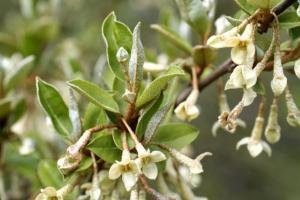
Urn shaped flowers in early spring. In fall edible fruits from 2-4 inches across. Abundance of fruit depends on species and pollination.
Texas Persimmon (Diospyros texana) - Growth
30-60 foot deciduous tree with 6 inch oval leaves. Fruit drop is messy with D. texana and a population of males is usually preferred as an ornamental. D. virginiana and D. kaki on the other hand are grown as landscape fruit trees. Diospyros sp. does best in full sun with shelter from the cold. Where not hardy, grow Diospyros sp. in a cool greenhouse with a minimum temperature of 35ºF (2ºC). During the day, set temperatures between 41-50ºF (5-1º0C), and at night, keep the temperature at 36ºF (2ºC).
Texas Persimmon (Diospyros texana) - Planting
American persimmon needs pollination from another tree. Japanese persimmon is self-fertile.When ripe, sow seeds in containers in an open frame.
Texas Persimmon (Diospyros texana) - Pest
Leaf rollers, mealybugs, and scale insects. Other problems include wood rot, fruit rot, wilt, powdery mildew, anthracnose, blight, and fungal spots, all of which are quite common.
Texas Persimmon (Diospyros texana) - Interesting facts
Female and male flowers are produced on separate plants, except for the American Persimmon. One species of Diospyros, D. kaki, can generate fruit without pollination, although the fruits are not as large as they could otherwise be. At the end of World War II after the atomic bomb exploded over the southern Japanese city of Nagasaki, much of the city was demolished. Legend has it, that a lone Japanese Persimmon (aka Kaki) that was growing near the epicenter of the explosion survived the blast. The "Nagasaki Kaki", as it is known, has come to symbolize the end of the Second World War: the end of destruction and beginning of renewal.
Texas Persimmon (Diospyros texana) - Soil and irrigation
D. texana is well suited to rocky, dry, alkaline soils, but not high-rainfall, high-humidity areas. Little water is needed once established. D. virginiana and D. kaki are not fussy about soil and need regular to moderate water. However, good drainage is a must!