Enkianthus campanulatus
Redvein Enkianthus
Photo of Enkianthus campanulatus - Redvein Enkianthus
No photo for the moment for Enkianthus campanulatus - Redvein Enkianthus

Please note: You must be the owner of the posted photo and it must not be copyrighted.
Things You Must Knows cannot be held responsible for photos posted in violation of this rule
Common Name:
Sun (From 0 to 5):
Water (From 0 to 5):
Maximum temperature:
Minimum temperature:
Maximum height:
Maximum width:
Redvein Enkianthus (Enkianthus campanulatus) - Description
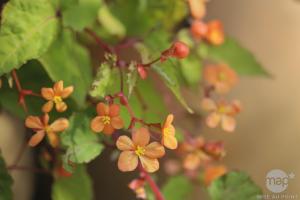
E. campanulatus bears bluish green leaves which turn red in the fall. In the late spring, it bears clusters of yellow-green, red veined bells that hang below the leaves.
Redvein Enkianthus (Enkianthus campanulatus) - Blooming
Urn-shaped flowers bloom on previous years growth, from midspring to early summer.
Redvein Enkianthus (Enkianthus campanulatus) - Growth
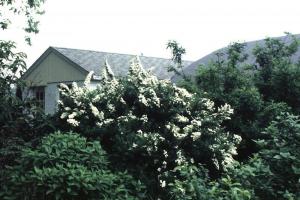
Deciduous shrubs or trees. Does best in full sun or partial shade. An excellent companion in a shrub border with acid-loving evergreens. Arresting fall color. Ekianthus works well in a woodland garden, planted in an open site.
Redvein Enkianthus (Enkianthus campanulatus) - Planting
Propagate from seeds (sow in late winter or early spring) or from semi-ripe cuttings in summer. Semi-ripe cuttings are cuttings taken from semi-mature wood. Can also conduct layering in fall. Layering is a propagation method where a stem is pegged to the soil while still attached to the parent plant. This process induces rooting.
Redvein Enkianthus (Enkianthus campanulatus) - Pest
Uncommon.
Redvein Enkianthus (Enkianthus campanulatus) - Interesting facts
Enkianthus is endemic to scrubs and woodlands from the Himalayas to Japan.
Redvein Enkianthus (Enkianthus campanulatus) - Soil and irrigation
Does best in neutral to acidic, humus-rich soil that is well-draining. Water pretty regularly, allowing the soil to dry in between.