Zephyranthes grandiflora
Rain Lily
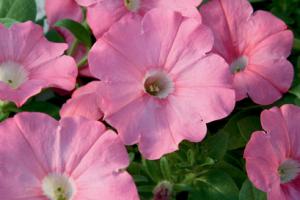
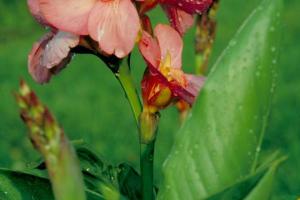
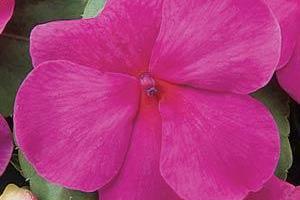
Photo of Zephyranthes grandiflora - Rain Lily
No photo for the moment for Zephyranthes grandiflora - Rain Lily

Please note: You must be the owner of the posted photo and it must not be copyrighted.
Things You Must Knows cannot be held responsible for photos posted in violation of this rule
Common Name:
Flower color:
Foliage color:
GreenSun (From 0 to 5):
Water (From 0 to 5):
Maximum temperature:
Minimum temperature:
Maximum height:
Maximum width:
Rain Lily (Zephyranthes grandiflora) - Description
The rain lily is known for its funnel-shaped pink flowers that are attractive in the garden with its bright color. Where the rain lily is not hardy, it can be grown as a container plant in a cool greenhouse.
Rain Lily (Zephyranthes grandiflora) - Blooming
Blooms funnel-shaped flowers from spring to fall.
Rain Lily (Zephyranthes grandiflora) - Growth
Does best with full sun, or full light. Where Rain Lilies are not growing hardy, raise plants in a cool greenhouse, alpine house, or in containers. Cool greenhouses have a minimum temperature of 35°F (2°C). During the day, set temperatures between 41-50°F (5-10°C), and at night, keep the temperature at 36°F (2°C). Other places, Zephyranthes is suitable for a rock garden or the front of a sunny border.
Rain Lily (Zephyranthes grandiflora) - Planting
Sow ripe seeds at 55-64°F (13-18°C). Conduct separation of offsets in spring.
Rain Lily (Zephyranthes grandiflora) - Pest
Uncommon.
Rain Lily (Zephyranthes grandiflora) - Interesting facts
There are 70 known species in the genus Zephyranthes, native to grasslands in North and South America. The genus is closely related to Habranthus.
Rain Lily (Zephyranthes grandiflora) - Soil and irrigation
Grows well in moist yet well-draining soil. Soil-based potting mixes with added sharp sand work fine for indoor plants. Water liberally during the growing season, keep plants just moist in winter. Protect from excess winter moisture.