Feijoa sellowiana
Pineapple Guava
Photo of Feijoa sellowiana - Pineapple Guava
No photo for the moment for Feijoa sellowiana - Pineapple Guava

Please note: You must be the owner of the posted photo and it must not be copyrighted.
Things You Must Knows cannot be held responsible for photos posted in violation of this rule
Common Name:
Foliage color:
GreenSun (From 0 to 5):
Water (From 0 to 5):
Maximum temperature:
Minimum temperature:
Maximum height:
Maximum width:
Pineapple Guava (Feijoa sellowiana) - Description
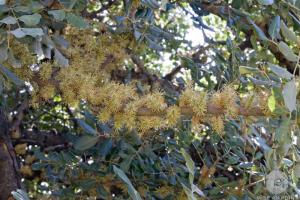
F. sellowiana is native to South America. It is normally a large multistemmed plant with oval, 2 to 3 inch long leaves that are glossy green above, and silvery white beneath. It blooms in the spring, bearing unusual inch-wide flowers with big central tufts of red stamens and four fleshy white petals. The flowers are edible and can be added to fruit salads or used for jams and jellies.
Pineapple Guava (Feijoa sellowiana) - Blooming
Blooms small, white flowers in spring. For a good crop of fruit, pollination from a non-clone plant is prefered. The petals are edible and various wild animals feeding on them aid in pollination.
Pineapple Guava (Feijoa sellowiana) - Growth
Pineapple guavas thrive in subtropical climates with low humidity. Grow plants in sunny poistions, and where climates are cooler climates grow plants against a wall that will trap the heat of the sun. Some winter chilling is required for the tree to produce fruit. They are salt tolerant, but it reduces fruit yields.Plant pineapple guavas close together to produce a nice hedge, screen, or windbreak. Or train as a small tree.
Pineapple Guava (Feijoa sellowiana) - Planting
Freijoa will usually come true from seed, but not always. Squeeze the seedy pulp from the fruit into a container and cover with water. Let ferment for 4 days before straining out the seeds and storing dry. When germination, it may take 3 weeks. Cuttings taken from branch tips will root in 1-2 months with bottom heat. Plant 3-5' apart.
Pineapple Guava (Feijoa sellowiana) - Pest
Keep an eye out for scale which tends to cause sooty mold. Apply dormant oil in winter if threat is high. Fruit flies are common during fruit ripening as they are attracted to the strong aroma of the fruits. Make sure to keep the ground free of flowers, fruits, and other plant debris or droppings.
Pineapple Guava (Feijoa sellowiana) - Interesting facts
The flesh of the guava like fruit of the Freijoa can be scooped out and eaten, or the fruit can be eaten whole, the sour and bitter skin balancing the sweetness of the inner flesh and seeds.
Pineapple Guava (Feijoa sellowiana) - Soil and irrigation
They need regular water for best fruiting especially during hot or dry weather. Also make sure the soil is well-draining with moderate fertility. Be certain not to let the plant dry out, particularly during critical periods such as flowering and fruit set.