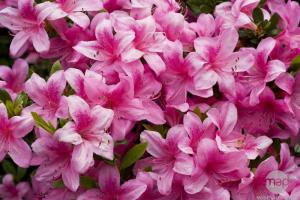
Mandevilla sanderi
Dipladenia Sanderi
Photo of Mandevilla sanderi - Dipladenia Sanderi
No photo for the moment for Mandevilla sanderi - Dipladenia Sanderi

Please note: You must be the owner of the posted photo and it must not be copyrighted.
Things You Must Knows cannot be held responsible for photos posted in violation of this rule
Common Name:
Sun (From 0 to 5):
Water (From 0 to 5):
Maximum temperature:
Minimum temperature:
Dipladenia Sanderi (Mandevilla sanderi) - Description
Mandevilla sanderi, also called Dipladenia sanderi and Brazilian jasmine, is a vine belonging to the Mandevilla genus. Mandevilla sanderi climbs by twining around some support and it can reach the height of 4. 5 meters (15 feet) if the climate is warm. The flowers of the wild form of Mandevilla sanderi are usually pink.
Dipladenia Sanderi (Mandevilla sanderi) - Blooming
Blooms flowers with 5 broad petal lobes.
Dipladenia Sanderi (Mandevilla sanderi) - Growth
Grows best in full sun with some midday shade. Train Mandevilla over a pergola, trellis, or arch. Mandevilla is also useful as a screen. Where not growing hardy, raise plants in a warm or temperate greenhouse. A warm greenhouse has a minimum temperature of 55°F (13°C). During the day, temperatures should be set to 55-64°F (13-18°C) or above, and at night, the temperature should be at 55°F (13°C). Temperate greenhouses have daytime temperatures set between 50-55°F (10-13°C), and a nighttime temperature of 45°F (7°C).
Dipladenia Sanderi (Mandevilla sanderi) - Planting
Propagate from the seed in spring at 64-73°F (18-23°C). Root softwood cuttings in late spring using bottom heat. Softwood cuttings are cuttings taken from young, non-woody growth. Root semi-ripe cuttings in summer. Semi-ripe cuttings are cuttings taken from semi-mature wood.
Dipladenia Sanderi (Mandevilla sanderi) - Pest
Vulnerable to spider mites, mealybugs, root rot, whiteflies, gray mold, and leaf spots.
Dipladenia Sanderi (Mandevilla sanderi) - Interesting facts
Mandevilla is endemic to the tropical woodlands of Central and South America. The sap can aggravate the skin upon contact, and ingestion of any part of the plant may cause stomach discomfort.
Dipladenia Sanderi (Mandevilla sanderi) - Soil and irrigation
Does best in medium fertile soil that is moist, yet well-drained. Soil-based potting mixes work fine for indoor plants. Water moderately during the growing season, less in winter.