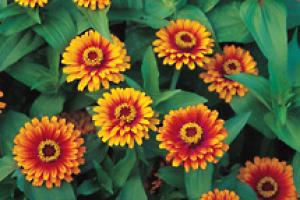
Sedum oreganum
Oregon Stonecrop
Photo of Sedum oreganum - Oregon Stonecrop
No photo for the moment for Sedum oreganum - Oregon Stonecrop

Please note: You must be the owner of the posted photo and it must not be copyrighted.
Things You Must Knows cannot be held responsible for photos posted in violation of this rule
Common Name:
Sun (From 0 to 5):
Water (From 0 to 5):
Maximum temperature:
Minimum temperature:
Oregon Stonecrop (Sedum oreganum) - Description
Sedum oreganum is a species of succulent plant of the genus Sedum. It grows along the Pacific Coast of North America from Alaska to far northern California. The plant, known by the common name Oregon stonecrop, grows in many types of rocky habitat, including coastal bluffs and cliffs and the talus of higher inland mountains.
Oregon Stonecrop (Sedum oreganum) - Blooming
Tiny, star-shaped, five petaled flowers in dense, showy clusters from half an inch to 8 inches across.
Oregon Stonecrop (Sedum oreganum) - Growth
Tough annuals, biennials, perennials, subshrubs, and shrubs with fleshy leaves. Perennials range from 1 inch tall mat-forming to 2 foot tall mounding habits.
Oregon Stonecrop (Sedum oreganum) - Planting
Sow seeds in autumn but provide protection from the cold during the first winter. Planting indoors with sufficient light can provide that protection. If the species of Sedum is known to be less hardy, sow the seeds in spring.
Oregon Stonecrop (Sedum oreganum) - Pest
Prone to scale, mealybugs, slugs snails.
Oregon Stonecrop (Sedum oreganum) - Interesting facts
Stonecrops are ideal for green rooftops. In areas where green rooftops are prevalent, Stonecrops are beginning to replace grasses as the primary source of plant material. Additionally, these plants are known for their succulent leaves, which are primarily used for water storage. The succulent leaves provide better fire hazard protection because a Stonecrop covered rooftop has such a high concentration of water compared to grass covered roofs.
Oregon Stonecrop (Sedum oreganum) - Soil and irrigation
Does best with well-drained, average to rich soil. Will also grow in poor, dry soil.