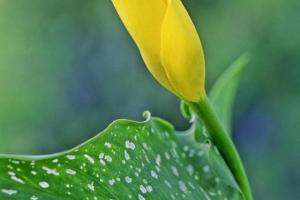
Corydalis hybrids
Corydalis
Photo of Corydalis hybrids - Corydalis
No photo for the moment for Corydalis hybrids - Corydalis

Please note: You must be the owner of the posted photo and it must not be copyrighted.
Things You Must Knows cannot be held responsible for photos posted in violation of this rule
Common Name:
Sun (From 0 to 5):
Water (From 0 to 5):
Maximum temperature:
Minimum temperature:
Maximum height:
Maximum width:
Corydalis (Corydalis hybrids) - Description
Corydalis is a genus of fibrous or fleshy-rooted annuals and biennials, and tuberous or rhizomatous perennials, primarily found in woodland or rocky sites in N. temperate regions.
Corydalis (Corydalis hybrids) - Blooming
Blooms tubular, 4-petaled flowers.
Corydalis (Corydalis hybrids) - Growth
Growth needs differ among species, but most require full sun or partial shade. Sun-loving plants work well in a rock garden or alpine house. Plants that like shade are suitable for a rock or woodland garden, or as underplanting in a shrub border.
Corydalis (Corydalis hybrids) - Planting
When ripe, sow seeds in containers in an open frame. Germination may occur in a random fashion. Conduct division of spring-flowering species in fall, summer-flowering in spring. Division entails propagating a plant by splitting it into 2 or more parts. Each part has its own root system and more than one shoot or dormant bud.
Corydalis (Corydalis hybrids) - Pest
Prone to damage by slugs and snail. Aphids and spider mites are common under glass. Downy mildew and rust also occur.
Corydalis (Corydalis hybrids) - Interesting facts
There are around 300 known species in the genus Corydalis, native to a range of habits in N. temperate regions. Corydalis produces an alkaloid known as bulbocapnine, which is sometimes used in medicines.
Corydalis (Corydalis hybrids) - Soil and irrigation
Corydalis does best with well-draining soil.