Hebe buxifolia 'Nana'
Hebe
Photo of Hebe buxifolia 'Nana' - Hebe
No photo for the moment for Hebe buxifolia 'Nana' - Hebe

Please note: You must be the owner of the posted photo and it must not be copyrighted.
Things You Must Knows cannot be held responsible for photos posted in violation of this rule
Common Name:
Plant Type:
Foliage color:
GreenSun (From 0 to 5):
Water (From 0 to 5):
Maximum temperature:
Minimum temperature:
Maximum height:
Maximum width:
Hebe (Hebe buxifolia 'Nana') - Description
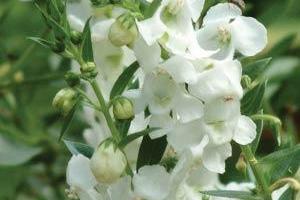
H. buxifolia is rounded and symmetrical. It bears deep green leaves that densely cover branches with small white flowers in dense clusters.
Hebe (Hebe buxifolia 'Nana') - Blooming
Pinch faded flowers to lengthen the blooming season, even into the winter in especially mild. Do not pinch too far, though, as flowering will cease if you get the new growth.
Hebe (Hebe buxifolia 'Nana') - Growth
Many species are low growing or prostrate, and in mild areas they make good ground covers or rock-garden plants. They do best in full sun or even partial shade. The heavier the shade, though, the poorer the flowering and leggier the growth. Bigger leafed species are less frost tolerant.
Hebe (Hebe buxifolia 'Nana') - Planting
Plant seeds or propagate semi ripe cuttings in late summer. Cultivars will not come true from seeds. Plant with some sort of organic humus.
Hebe (Hebe buxifolia 'Nana') - Pest
Aphids. Other problems include leaf spot, downy mildew, and root rot.
Hebe (Hebe buxifolia 'Nana') - Interesting facts
Hebes are named for the Greek goddess of youth, who served nectar and ambrosia to the gods. The nectar of the plants in this genus can attract butterflies.
Hebe (Hebe buxifolia 'Nana') - Soil and irrigation
Some species are tolerant of the more humid summer conditions. Whipcord species (they have scale-like leaves, similar to conifers) are not, though. As long as the soil is well-drained and not too clayey, Hebes are not terribly picky about soil.