Lavandula angustifolia
Lavender
Photo of Lavandula angustifolia - Lavender
No photo for the moment for Lavandula angustifolia - Lavender

Please note: You must be the owner of the posted photo and it must not be copyrighted.
Things You Must Knows cannot be held responsible for photos posted in violation of this rule
Common Name:
Plant Type:
Sun (From 0 to 5):
Water (From 0 to 5):
Maximum temperature:
Minimum temperature:
Maximum height:
Maximum width:
Lavender (Lavandula angustifolia) - Description
Fragrant flowers and aromatic leaves are a treat whether you cut this flower fresh or dried. Dried flowers and leaves smell fantastic to us and repel moths, so can be used in sachets. Start seed early indoors. Plants tolerate light frost; set outside early.
Lavender (Lavandula angustifolia) - Blooming
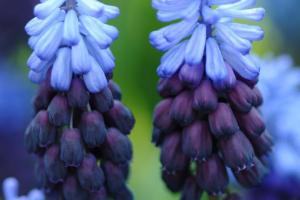
Blooms are often purple or lavender in color, hence the common name. The flowers are moderately-very fragrant. Lavenders contain a large amount of nectar, and therefore attract bees.
Lavender (Lavandula angustifolia) - Growth
Lavenders thrive in full sun. In climates that are too cold in the winter for year round growth, Lavenders will do fine being moved indoors on a bright window sill. Lavenders work well for drying to make potpourri.
Lavender (Lavandula angustifolia) - Planting
Plant in areas that have good air circulation. Sow seeds in spring, in containers in a cold frame for protection. Can also propagate with semi-ripe cuttings in summer. Layering can be conducted in summer as well.
Lavender (Lavandula angustifolia) - Pest
Can succumb to root rot in climates that have hot and humid summers. Other problems include root rot and leaf spot.
Lavender (Lavandula angustifolia) - Soil and irrigation
Requires well-drained soils that are kept moderately fertile.