

Nyssa aquatica
Water Tupelo
Photo of Nyssa aquatica - Water Tupelo
No photo for the moment for Nyssa aquatica - Water Tupelo

Please note: You must be the owner of the posted photo and it must not be copyrighted.
Things You Must Knows cannot be held responsible for photos posted in violation of this rule
Common Name:
Flower color:
Foliage color:
GreenSun (From 0 to 5):
Water (From 0 to 5):
Maximum temperature:
Minimum temperature:
Maximum height:
Maximum width:
Water Tupelo (Nyssa aquatica) - Description
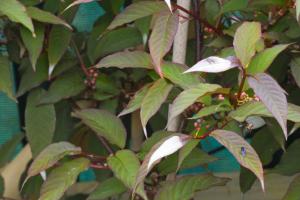
Nyssa aquatica, commonly called the water tupelo, cottongum, wild olive, large tupelo, sourgum, tupelo-gum, or water-gum, is a large, long-lived tree in the tupelo genus(Nyssa) that grows in swamps and floodplains in the Southeastern United States. Nyssa aquatica trunks have a swollen base that tapers up to a long, clear bole, and its root system is periodically under water. Water tupelo trees often occurs in pure stands.
Water Tupelo (Nyssa aquatica) - Blooming
Flowers are inconspicuous, but they eventually give rise to bluish black fruits that are shaped like small olives and attract birds.
Water Tupelo (Nyssa aquatica) - Growth
Tupelos grow at a slow to moderate rate, but can reach upwards of 50 ft. tall and 25 ft. wide. Excellent shade tree that works well in naturalized settings. Has a hard time dealing with pollution. Grows best in sun or partial shade.
Water Tupelo (Nyssa aquatica) - Planting
Difficult to transplant. Sow seeds in fall in a seedbed. Can also propagate from greenwood cuttings and semi-ripe cuttings in summer.
Water Tupelo (Nyssa aquatica) - Pest
Scale insects, caterpillars, and leaf miners. Other problems include wood rot, canker, wood stain, dieback, leaf spots, blister mite gall, and white rot.
Water Tupelo (Nyssa aquatica) - Interesting facts
There are only 5 known species of Nyssa found in Eastern Asia and Eastern North America. Honey made from tupelo has a highly-sought flavor and will not crystalize.
Water Tupelo (Nyssa aquatica) - Soil and irrigation
Tupelos do best with moist, deep, neutral to acidic and well-drained soils that have plenty of organic matter. Thrives in moist soil, but can withstand moderate drought.