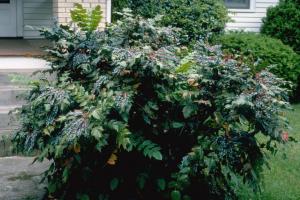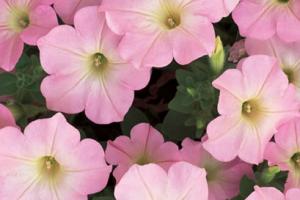


Osmanthus x burkwoodii
Osmanthus
Photo of Osmanthus x burkwoodii - Osmanthus
No photo for the moment for Osmanthus x burkwoodii - Osmanthus

Please note: You must be the owner of the posted photo and it must not be copyrighted.
Things You Must Knows cannot be held responsible for photos posted in violation of this rule
Common Name:
Sun (From 0 to 5):
Water (From 0 to 5):
Maximum temperature:
Minimum temperature:
Osmanthus (Osmanthus x burkwoodii) - Description
Osmanthus /ɒzˈmænθəs/ is a genus of about 30 species of flowering plants in the family Oleaceae, mostly native to the warm temperate zone, from the Caucasus east to Japan, with one species (O. americanus) occurring in the southeastern United States, from Texas to Virginia. It is sometimes included in Nestegis.
Osmanthus (Osmanthus x burkwoodii) - Blooming
Miniscule flowers that are intensely fragrant, blooming in fall or spring, depending on species. Blooms are followed by blue-black fruits.
Osmanthus (Osmanthus x burkwoodii) - Growth
Evergreen shrubs and trees. Dense glossy foliage. Grows best in sun or partial shade with protection from the winter sun and wind.
Osmanthus (Osmanthus x burkwoodii) - Planting
Semi-ripe cuttings in late spring or early summer. Sow from seed when ripe, in containers in a cold frame (for protection).
Osmanthus (Osmanthus x burkwoodii) - Pest
Scale insects. Osmanthus is also prone to olive knot, black mildew, anthracnose, wilt, and root rot.
Osmanthus (Osmanthus x burkwoodii) - Interesting facts
This genus is classified in the same family as olives. Some species may have leaves that look similar to Holly, but the development of the flowers and fruit are rather typical of the Oleaceae family.
Osmanthus (Osmanthus x burkwoodii) - Soil and irrigation
Acidic, fertile, moist, well-drained soil. Tolerates some clay or alkalinity.