

Pachyrhyzus erosus
Jicama
Photo of Pachyrhyzus erosus - Jicama
No photo for the moment for Pachyrhyzus erosus - Jicama

Please note: You must be the owner of the posted photo and it must not be copyrighted.
Things You Must Knows cannot be held responsible for photos posted in violation of this rule
Common Name:
Foliage color:
GreenSun (From 0 to 5):
Water (From 0 to 5):
Maximum temperature:
Minimum temperature:
Maximum height:
Jicama (Pachyrhyzus erosus) - Description
Jicama is known for its edible root, which has been described as tasting like a sweet water chestnut. It is a very attractive vine that bursts with purple flowers in summer. The root is completely edible, but the rest of the plant is toxic and should not be eaten.
Jicama (Pachyrhyzus erosus) - Blooming
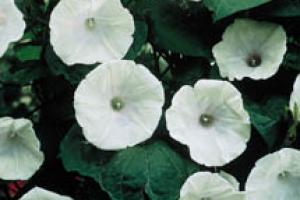
Blooms white to lavender flowers in late summer. Removing the flowers when they first appear will promote root growth, causing the roots to expand in diameter.
Jicama (Pachyrhyzus erosus) - Growth
Tropical vine in the legume family that requires plenty of sun to thrive. Normally, Jicama needs at least 9 months of warm growth conditions for the best root production. If grown in rich, light soil, less amounts of warm weather will support growth, although the roots will be smaller. Grow Jicama on a trellis, fence, or garden shed. They can also be grown on the ground, but will require a site with ample space.
Jicama (Pachyrhyzus erosus) - Planting
Plant seeds in spring after threat of frost has passed. Pre-soak the seeds for around 24 hours before planting. Jicama can be raised indoors initially and then moved outdoors when temperatures become warmer. Provide a trellis to allow it to climb.
Jicama (Pachyrhyzus erosus) - Pest
Jicama is for the most part unaffected by pests and diseases.
Jicama (Pachyrhyzus erosus) - Interesting facts
Jicama is native to Mexico where it is mixed with salads, soups, and other dishes. The root is rich in carbohydrates, and contains very little protein and fat.
Jicama (Pachyrhyzus erosus) - Soil and irrigation
Does best in well-drained soil. Water regularly during the growing season, making sure to keep the soil moist until the plant is about 3" tall.